The MoneySexNerd Guide to Gambling

How to Play Smart Extract Maximum Value and Never Be the Sucker at the Table. Behavioral economics lens throughout. Every game is a psychology and math problem not a luck problem.

The MoneySexNerd Guide to Gambling


Every casino on the planet runs on a single insight: people are bad at math when their emotions are involved. The lights, the sounds, the free drinks, the near-misses that feel like almost-wins; all of it exists to keep the prediction engine in your skull running on vibes instead of arithmetic. The house doesn’t need you to be stupid. It needs you to be feeling.

This series is about turning the lights back on.

Not because gambling is evil. Not because you should never set foot in a casino. The moralizing approach to gambling is boring and, worse, it doesn’t work. People gamble because it’s fun, because the variance creates a neurochemical cocktail that a quiet Tuesday night at home simply cannot manufacture. That’s fine. The problem isn’t the gambling. The problem is paying $200 an hour for an experience you could get for $20 if you understood what was actually happening at the table.

Every game in the casino is a psychology problem wearing a math costume. The math is fixed. The house edge on a roulette wheel doesn’t care about your birthday, your lucky number, or the fact that red has hit seven times in a row. That number was set by the geometry of the wheel and the existence of the green zero, and it will hold across every spin from now until the sun burns out. The psychology, though; the psychology is where all the money moves. It’s where the casino extracts its real margin, and it’s where a player who actually understands the game can claw most of that margin back.

Daniel Kahneman won a Nobel Prize for demonstrating that humans are systematically irrational about risk. Not randomly irrational; systematically. We overweight small probabilities. We treat losses as roughly twice as painful as equivalent gains. We anchor to irrelevant numbers. We chase sunk costs. Every one of these biases shows up at the casino floor, amplified by alcohol and adrenaline and the carefully engineered sensation that tonight could be the night.

The series that follows breaks down every major casino game through this lens: the real math, the real psychology, the real cost per hour, the real decisions that actually move the needle. Some games are nearly fair fights if you play them correctly. Some are pure extraction machines dressed up with exciting graphics. Knowing which is which is the difference between entertainment and exploitation.

The reader this is written for is someone who finds systems interesting. Someone who’d rather understand the machine than pull the lever and hope. Someone who wants to walk into a casino the way a mechanic walks into a garage; not mystified by what’s under the hood, but curious about it. The goal isn’t to make you a professional gambler. The goal is to make you impossible to hustle.


The Series

The House Always Wins (And That's Fine) — Understanding Expected Value Before You Bet a Dollar
Most people walk into a casino with magical thinking. This article kills that cleanly and replaces it with a framework that actually makes the casino more enjoyable not less. What house edge actually means in dollars per hour not percentages.
Blackjack: The Only Game Where Skill Actually Matters
Blackjack is the one table game where your decisions materially change the outcome. Basic strategy drops the house edge to under 0.5%. Most people play at 2-4% because they go on feel.
Craps: The Most Intimidating Table in the Casino (And Why You Should Learn It)
Craps has the best odds on the floor and the most social energy of any game. People avoid it because the table looks like a NASA control panel. It's actually simple once you ignore 80% of it.
Baccarat: The Billionaire's Game Is Actually the Simplest One
Baccarat has a reputation as a high-roller game requiring sophistication. It requires zero decisions. You pick Banker, Player, or Tie and watch cards get dealt. How the game actually works, why Banker is always the mathematically correct bet, why the Tie bet is a trap, the psychological appeal of pu
Roulette: A Beautiful Tax on People Who Don't Understand Probability
Roulette is gorgeous, social, and has one of the worst player edges on the floor. The only strategic decision is which wheel to sit at. American vs European wheel and why the double zero adds 2.6% for no reason. Why every spin is independent and the gambler's fallacy explained through the history bo
Poker: The One Game Where You're Playing Against Humans Not the House
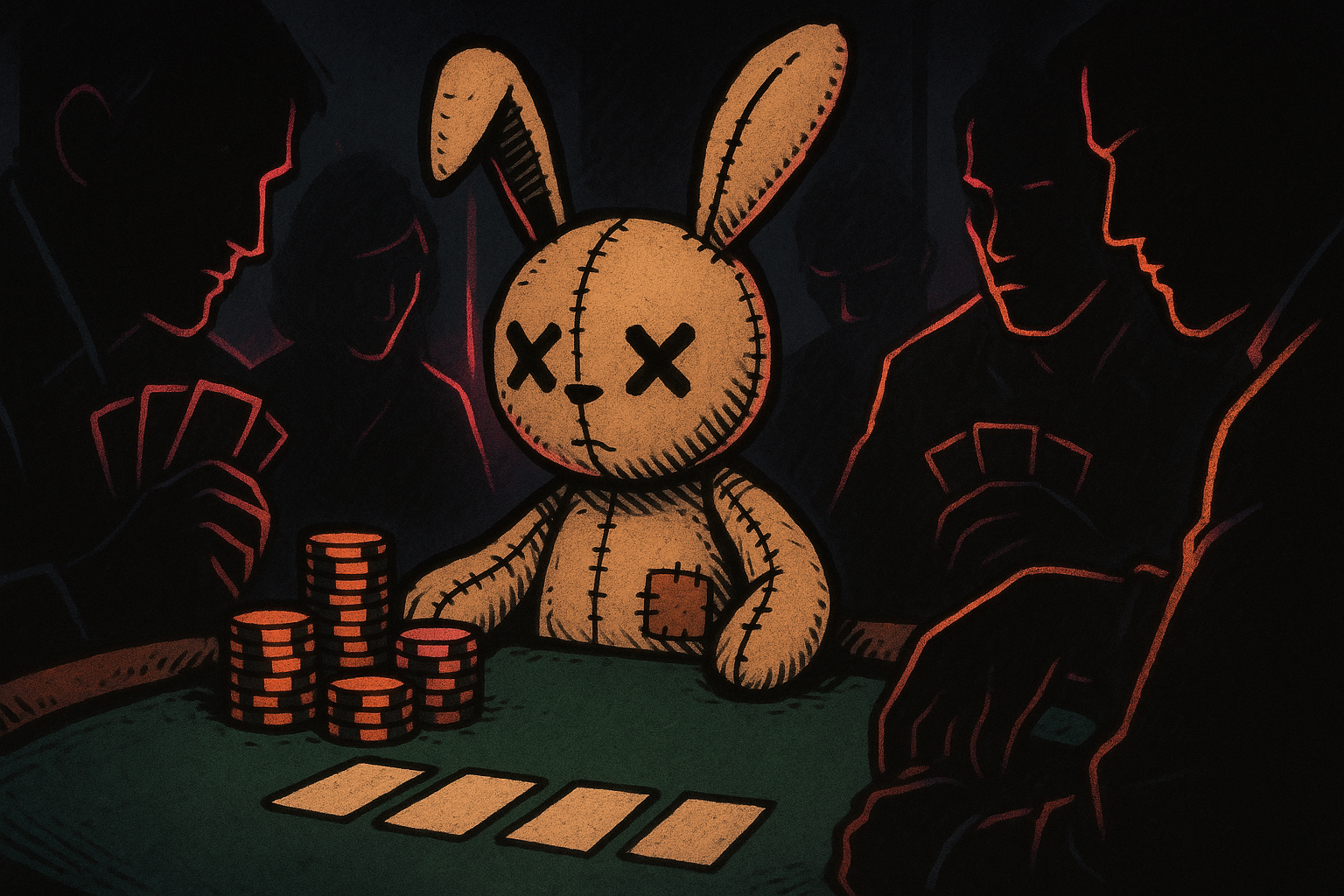
Poker is categorically different from every other casino game. The house takes a rake but doesn't play. Your edge comes entirely from being better than the other players. The rake structure and how it affects which games are beatable. Table selection as the highest-leverage skill. Exploitative strat
Video Poker: Where Slots Meet Skill and the Math Gets Interesting
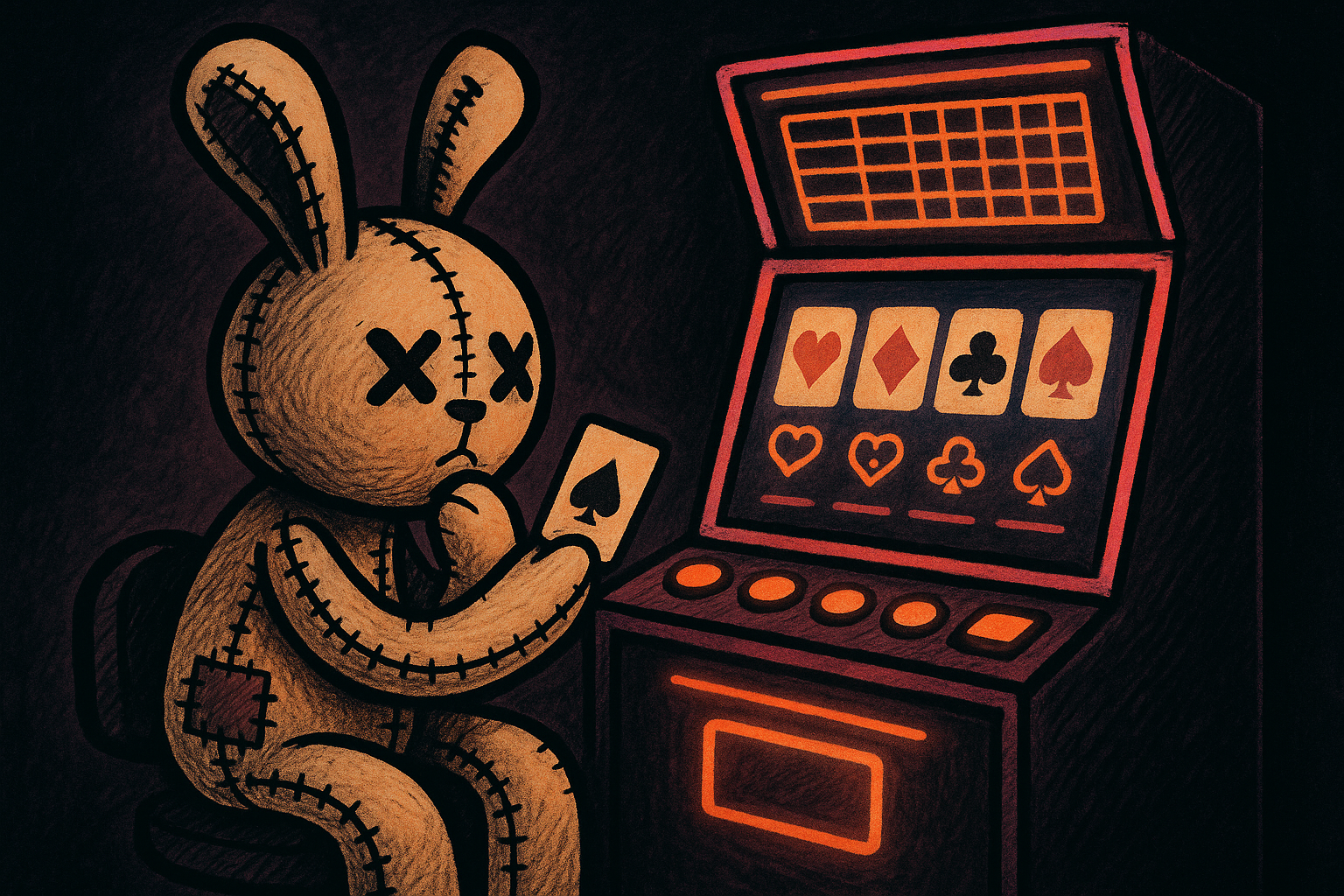
Video poker is the most underrated game in the casino for the mathematically inclined. Certain machines at certain pay tables return over 99% — some over 100% with optimal play and comps factored in. How to read a pay table: the difference between 9/6 Jacks or Better (99.54% return) and 8/5 (97.3%)
Slots: The Worst Odds the Best Psychology — Here's What's Actually Happening
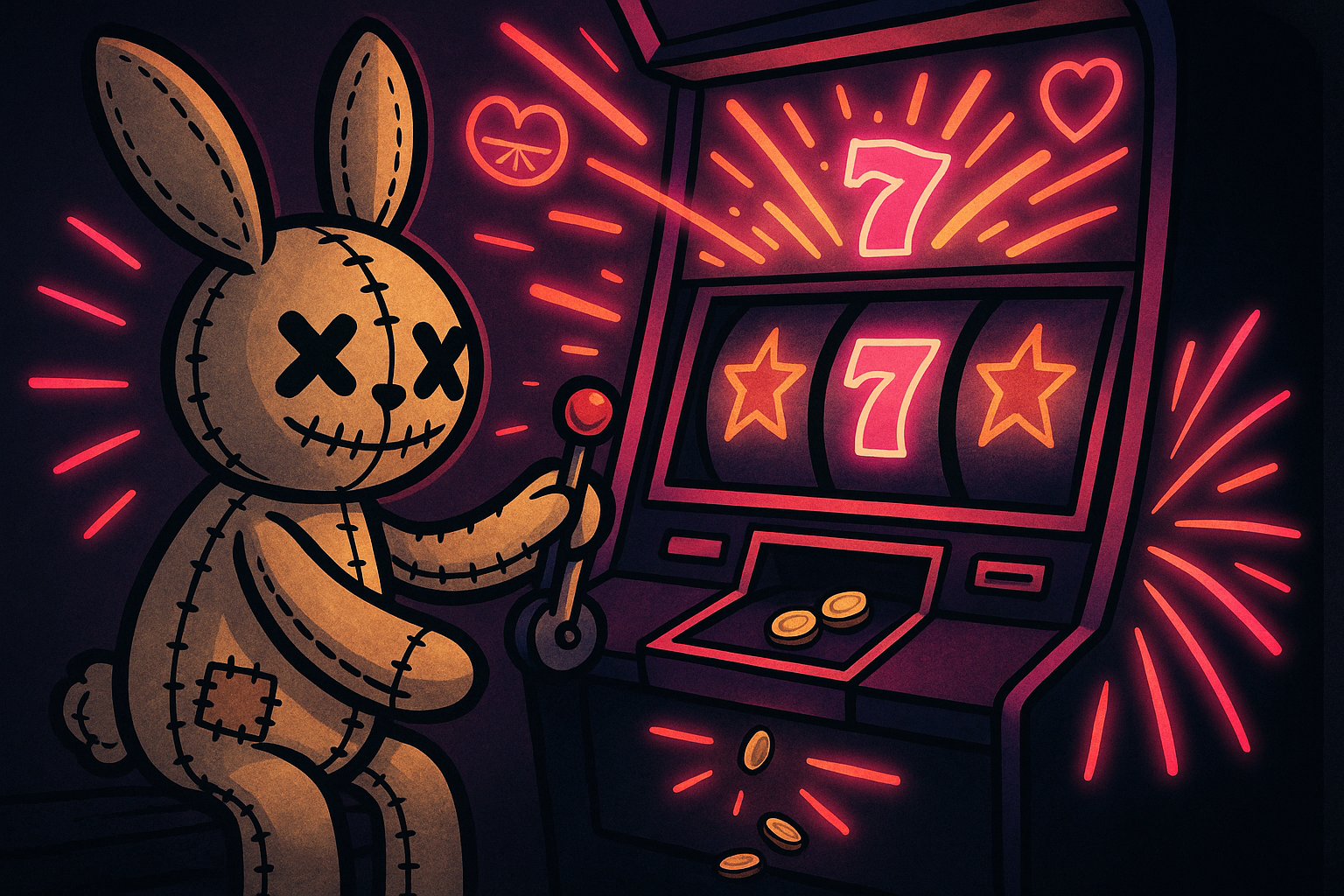
Slots have the worst player odds in the casino and generate the majority of casino revenue. Understanding why they're so effective is one of the most useful pieces of behavioral economics you can learn. Variable ratio reinforcement, near-miss engineering, loss disguised as win, and the evolution of
Sports Betting Apps — Turning the Sign-Up Bonus Circuit Into Free Money
The legal sports betting market is in aggressive customer acquisition mode. The sign-up bonuses deposit matches and free bet offers represent a genuine arbitrage window for the disciplined non-gambler. How sign-up bonuses actually work, the bonus clearing playbook, arbitrage across books, account lo
Comps Players Cards and Casino Loyalty Programs: How to Extract Value Like a Professional Freeloader
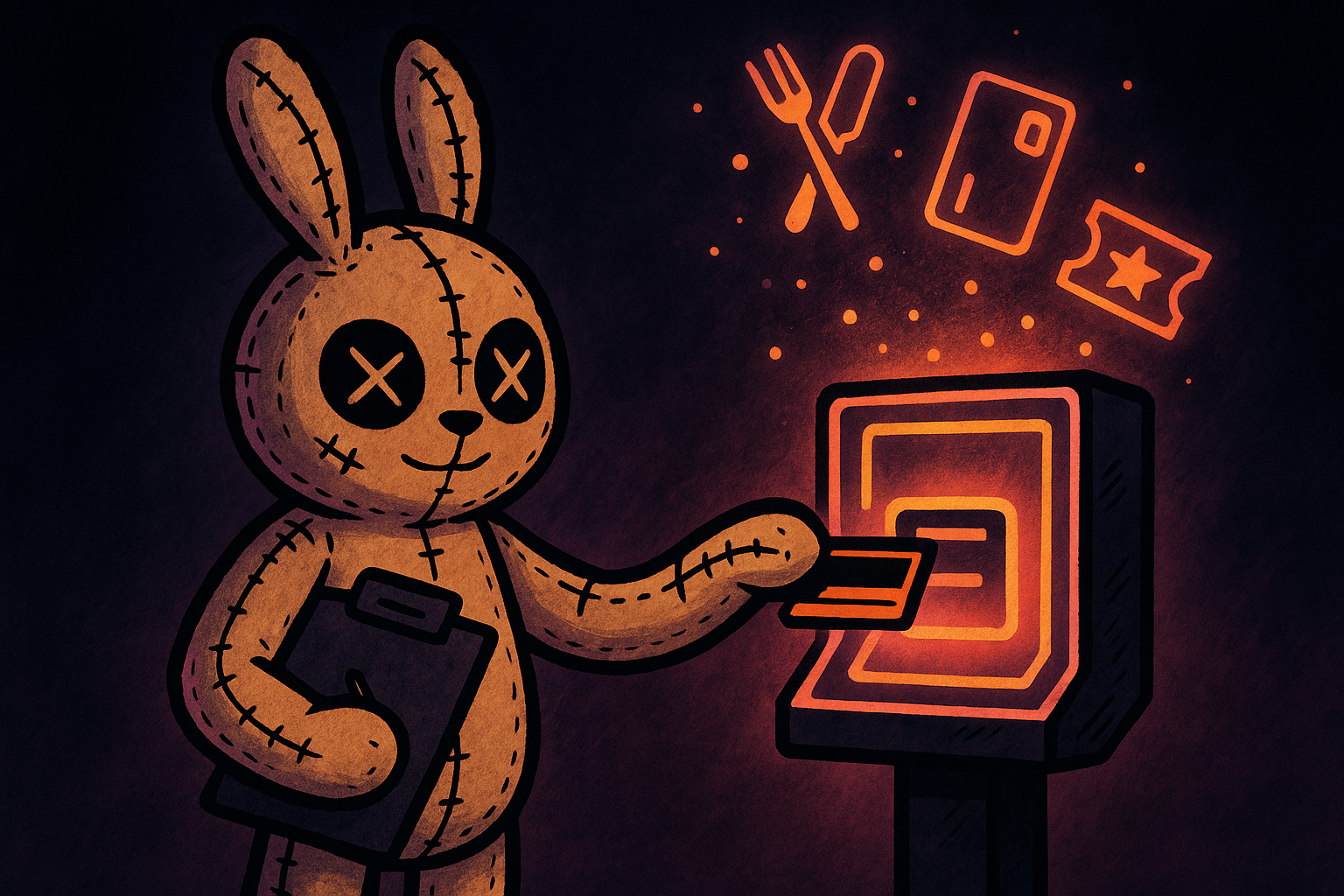
The comp system is designed to give back a fraction of what gamblers lose. But the calculation is based on theoretical loss not actual loss, which means disciplined players can extract significant value while controlling their actual exposure. Theoretical loss formula, tier systems compared, host re
The High Roller Mindset on a Regular Budget — Bankroll Management as Behavioral Economics
How you manage your gambling budget determines your entire experience. Session, trip, and annual bankroll layers. The 1-2% per bet professional standard. Preset stop-loss and stop-win limits. The sunk cost trap and why getting even is the most expensive mindset. Risk of ruin calculations. High rolle
Casino as a Lifestyle Hack: Working Eating and Living Well Without Gambling a Dime
Series capstone. The casino is optimized infrastructure for human comfort and productivity that most people only access as gamblers. Environmental design, subsidized food economics, hotel arbitrage at 30-50% discount, working from casinos, the Casino as Basecamp model for travel, $20 activation play