The Diagnosis Industrial Complex: How We Traded One Superstition for a Better-Funded One

Every educated person knows astrology is superstition. Every educated person also schedules their therapy around a diagnostic manual last updated by committee vote that doesn't include a single blood test; genetic marker; or measurable biomarker. We picked the wrong thing to be embarrassed about.

The Diagnosis Industrial Complex: How We Traded One Superstition for a Better-Funded One

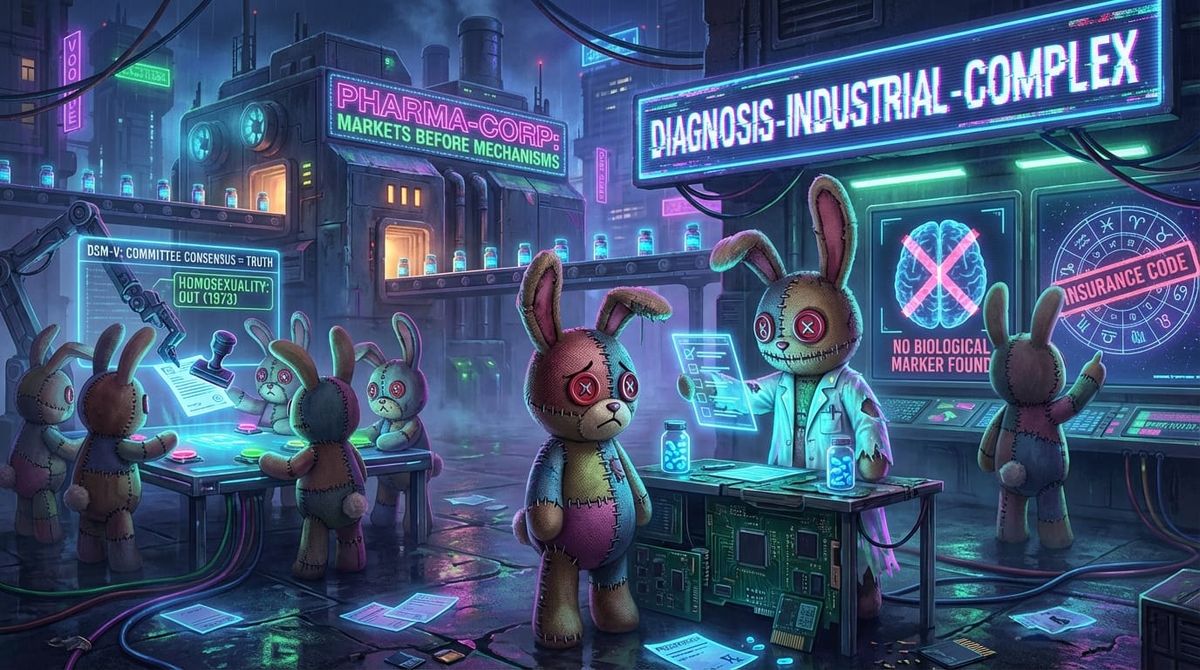
Every literate person under forty knows astrology is fake. They will tell you this while taking an SSRI prescribed on the basis of a symptom checklist that has never once been validated against a blood test, a brain scan, or a genetic marker. The diagnostic manual that governs American mental health was last updated by committee vote. Not by discovery. By consensus.

The Diagnostic and Statistical Manual of Mental Disorders is not a scientific document in the way most people assume. It is a consensus document produced by committees of psychiatrists who argue, negotiate, and ultimately vote on what counts as a disorder. The same profession voted homosexuality out of the manual in 1973. Not because new evidence emerged. Because the culture shifted and enough members raised their hands.

The pattern-matching problem is older than institutions

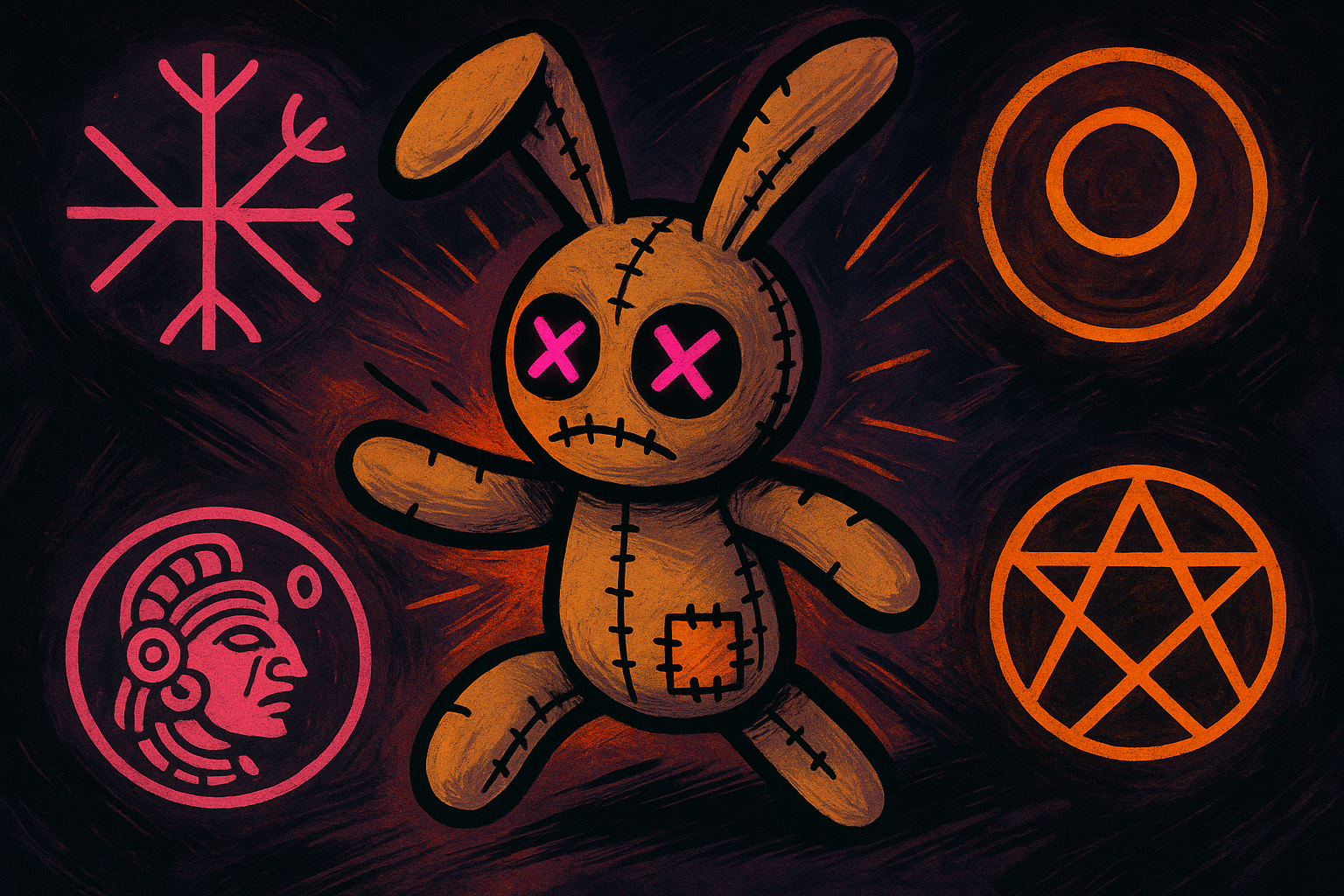
Every human culture independently invented a system for sorting people into types. Astrology. Ayurvedic doshas. Chinese five elements. Mesoamerican calendars. The mechanisms were different; the function was identical. Predict who this person is. Predict what they will do. Reduce the uncertainty of dealing with other minds.

The DSM does the same thing with better funding. It observes behavior, clusters symptoms, assigns a label, and calls the label a diagnosis. The underlying mechanism remains largely unknown for most mental health conditions. The serotonin hypothesis of depression was marketing copy that became folk science. The dopamine hypothesis of ADHD explains some findings and fails to explain others. The categories in the DSM are descriptions, not explanations. They tell you what someone looks like, not why.

The difference is institutional laundering

Astrology has no institutional backing. No insurance codes. No prescription pads. No lobby. The DSM has all of these. The categories in the manual determine who gets medication, who gets accommodations, who gets disability payments, and who gets locked up. The stakes are enormous. The epistemological foundation is not proportional to those stakes.

This does not mean mental illness is fake. Schizophrenia is real. Bipolar disorder is real. The suffering is real. But the categories we use to describe that suffering are constructs built by committees, not discoveries made by scientists. The map is not the territory. The label is not the condition.

The series ahead

This series traces the full arc. How folk medicine and astrology encoded real observations in wrong frameworks. How Kraepelin decided to classify madness like a botanist classifies plants. How Freud built a mythology and the DSM replaced it with a billing system. How pharmaceutical companies found markets before they found mechanisms. How diagnosis rates follow economic pressure, not neurology. How the replication crisis gutted the research your psychiatrist never read. How neurodiversity reframed the entire question. And what an honest science of the mind might look like if anyone had the institutional courage to build one.

The diagnosis industrial complex is not a conspiracy. It is something worse. It is a system that everyone participates in, that mostly works well enough, and that almost nobody examines because the alternative is admitting that the emperor’s lab coat is thinner than advertised.

Your horoscope never put you on Adderall. A checklist did.


The Series
Astrology Is Fake And Also Kind of Right
Every ancient culture independently built birth-season wisdom. The mechanism was wrong. The observation wasn't. Season-of-birth effects on personality and cognition replicated across dozens of studies.
Why Every Culture Invented Personality Systems
Astrology; Ayurvedic doshas; Chinese five elements; Mesoamerican calendars; Norse birth runes. All different mechanisms; all mapping the same human need. The universality is the data point.
What Folk Medicine Actually Got Right
The compounds in willow bark. Foxglove. Turmeric. Thousands of years of empirical observation without a control group.
The Guy Who Decided to Classify Crazy
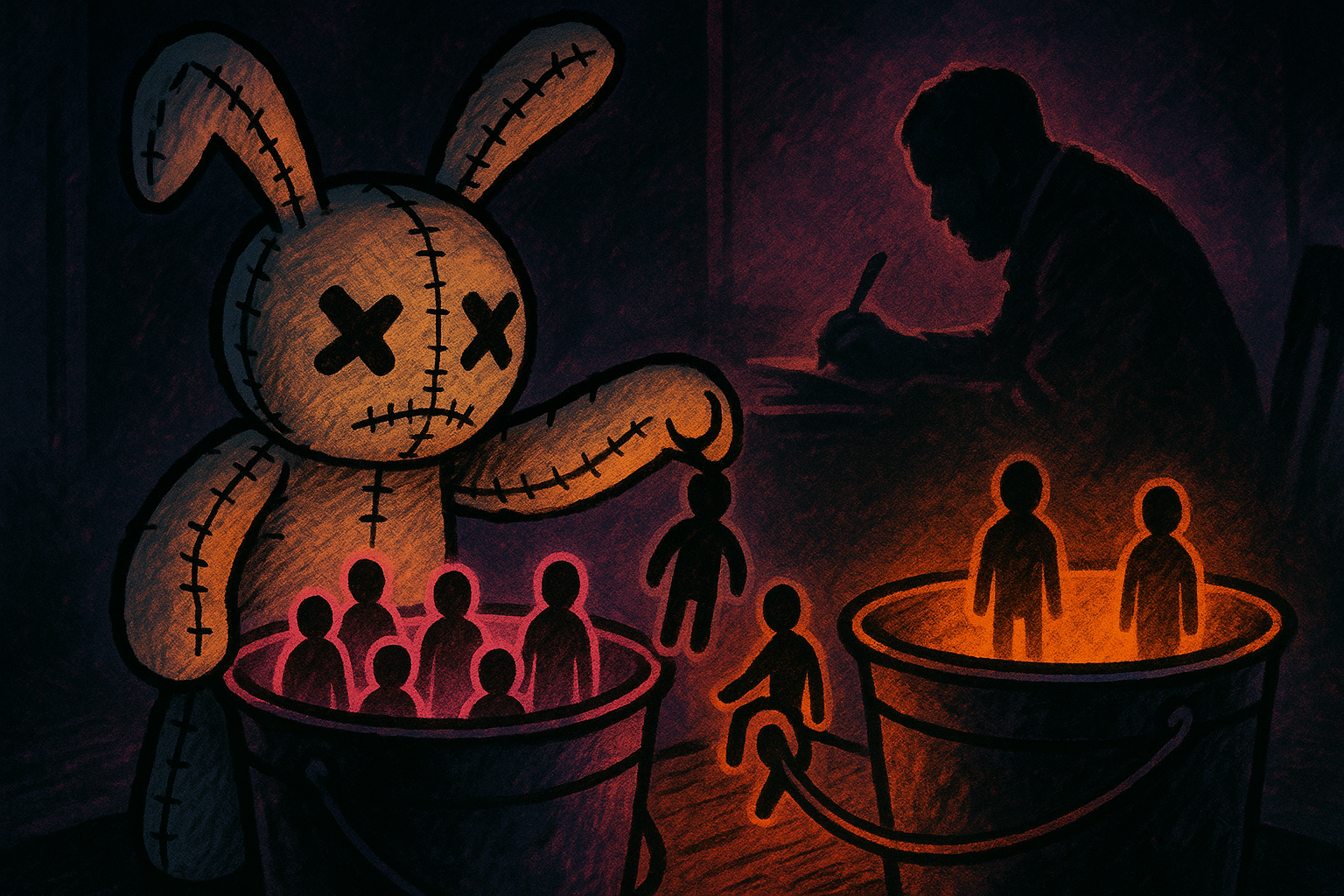
Kraepelin. Late 1800s. Decides to classify mental illness like a botanist classifies plants. Purely by observable symptom clusters; no underlying mechanism required.
Freud Was Making It Up (But He Wasn't Wrong About Everything)
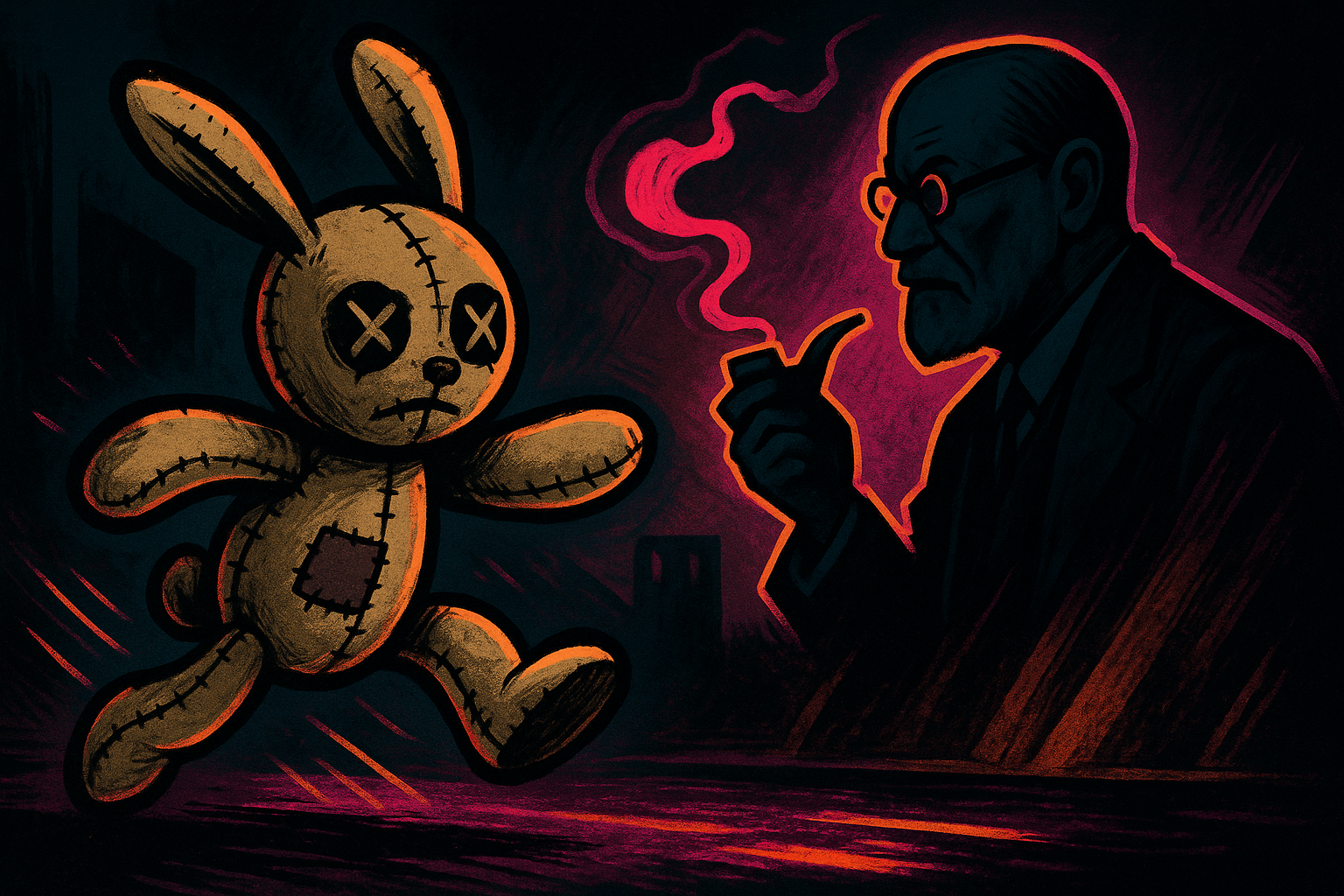
The cocaine years; the unfalsifiable framework; the mythology machine. What Freud got directionally right that got lost when the DSM replaced his stories with checklists.
Jung Made It Weirder and We Still Use It
Myers-Briggs is Jungian astrology with corporate HR approval. The MBTI has roughly the same test-retest reliability as a horoscope and is used in Fortune 500 hiring. Nobody talks about this.
The Night They Voted Homosexuality Out of the DSM
1973. American Psychiatric Association membership vote. A disease category gone by ballot. What this reveals about what the DSM actually is. Not a scientific document. A consensus document.
The DSM Is a Billing Document Wearing a Lab Coat
No biomarkers. No blood tests. Five of nine symptoms for two weeks. The insurance reimbursement architecture that made the checklist system immortal. Follow the money from symptom cluster to prescription pad to quarterly earnings.
Pharma Didn't Discover What SSRIs Do — They Found a Market
The serotonin hypothesis was never proven. It was a plausible mechanism attached to a drug that worked better than placebo in some trials. The chemical imbalance explanation was marketing copy that became folk science.
The ADHD Gold Rush
Diagnosis rates by zip code, by school district, by whether your state has high-stakes testing. The stimulant prescription map follows socioeconomic and educational pressure patterns, not neurological ones.
Your Kid's Autism Was Not Caused by Tylenol, Vaccines, WiFi, or Your Birth Control
The Wakefield fraud, the Tylenol preprint, the WiFi studies. The toxin framework that lets you plug any environmental villain into the autism slot. The actual epidemiology. The dark irony of the anti-vax movement.
The Replication Crisis Nobody Told Your Psychiatrist About
A significant portion of foundational psychology research doesn't replicate. The studies your diagnosis rests on; the trials that approved your medication. What the replication crisis actually means for clinical practice and why it hasn't changed anything yet.
The Anti-Psychiatry Guys Were Wrong and Also Right
Szasz; Laing; Foucault. Diagnosis as social control. Madness as rational response to insane conditions. They overcorrected badly but were pointing at something the mainstream still hasn't absorbed.
Neurodiversity Did to the DSM What Darwin Did to Genesis
The autism and ADHD communities reframing diagnosis as variation rather than pathology. What happens to the whole diagnostic edifice if disorder is a context-dependent judgment rather than a biological fact.
Why We Mock Astrology But Forward MBTI Results
The direct comparison. Retest reliability; predictive validity; mechanistic basis. The MBTI performs worse than the Big Five on every psychometric measure and is used everywhere. Astrology performs comparably and is considered embarrassing. The difference is institutional laundering.
What Would a Real Science of the Mind Look Like
RDoC; the NIMH's attempt to replace DSM categories with biological dimensions. Polygenic risk scores. Real imaging correlates. Where the actual science is going versus where clinical practice is stuck.
So What Do You Do With Your Diagnosis
The practical close. Your diagnosis is probably useful and probably not literally true simultaneously. How to hold that. What to take from the folk systems; what to take from the clinical ones; and how to stop outsourcing the map of your own mind to either.