The Urca Gold: What Happens When the Mission Succeeds
The Urca gold was supposed to solve everything. Then they got it. Black Sails' sharpest lesson: winning the mission doesn't end the problem — it reveals the next one.

Part 12 of 13 in the Black Sails: A Leadership Masterclass series.
The Urca de Lima. Spanish treasure galleon. Five million dollars in gold.
Flint has been chasing this since the pilot episode. The treasure that's supposed to change everything. Fund the war. Save Nassau. Make it all mean something.
They get it.
This is supposed to be the ending. Crew gets rich. Republic gets funded. War becomes possible. Mission accomplished. Roll credits.
Instead, getting the gold is where the problems actually begin.
The gold represented salvation.
For Flint: the war. The gold would fund resistance. Build a fleet. Create a force that could fight the empire. The gold wasn't wealth—it was ammunition.
For the crew: freedom. Enough money to retire. Buy a farm, open a tavern, disappear into comfortable obscurity. Never risk your life again.
For Nassau: stability. The gold would make the pirate republic economically viable. Fund the infrastructure the port needed. Transform piracy from raiding into governance.
For everyone: the solution. Whatever problem you had, the gold would solve it. The gold was the MacGuffin, the thing that would finally make everything possible.
They get it. And the problems don't end. They multiply.
Success creates problems the fantasy never included.
New coordination problems. How do you divide five million dollars among people who don't trust each other? Who decides? What's fair? The crew has opinions. The captains have opinions. The opinions conflict. The gold that was supposed to create alignment creates division.
New security problems. Everyone knows the gold exists. Now you have to protect it. Move it. Hide it. The gold that was supposed to provide security creates a new security requirement.
New political problems. The gold changes relationships. People who were allied because they were chasing the same prize are now rivals for how to use it. Flint wants war; the crew wants retirement. These goals are incompatible.
New visibility problems. Five million in stolen Spanish gold is not subtle. The empire that might have ignored Nassau now has reason to pay attention. The gold paints a target.
Success doesn't end the story. Success changes the story—often into something harder.
The psychology shifts too. Before the gold, everyone was aligned around acquisition. The shared goal unified different motivations. Flint wanted it for war, the crew wanted it for retirement, Eleanor wanted it for Nassau's economy, but everyone agreed: get the gold first, figure out the rest later.
Now it's later. The "figure out the rest" arrives. And "the rest" is everything that actually matters.
This is the startup post-exit problem. The team was aligned around building product and raising funding. Then you raise, or exit, or go public. Now the shared goal is gone. Some people want to cash out. Some want to keep building. Some want to scale. Some want to maintain culture. These goals conflict. The alignment was temporary, held together by shared constraint. Remove the constraint, expose the real disagreements.
Nassau had the luxury of not fighting about end goals while the gold was theoretical. With actual gold in the fort, end goals become immediate. The underlying conflicts—always present, always suppressed—surface all at once. The gold doesn't solve conflict. It forces conflict into the open.
This is hitting product-market fit.
The startup struggles for years. Searching for the product. Searching for the market. Searching for the combination that works. Everyone assumes: once we find it, we're set.
Then you find it.
And suddenly there are new problems. Scaling problems. Hiring problems. Competition problems. The problems of success are different from the problems of struggle—and often harder, because you're not prepared for them.
The Urca gold is PMF. It's the Series A. It's the moment the thing you were chasing actually arrives. And the arrival is disorienting because the narrative was wrong: reaching the goal isn't the end.
Flint wanted the gold for war.
His goal was never wealth. Never retirement. Never Nassau's stability. The gold was fuel for his vendetta against the empire.
But the crew didn't sign up for war. They signed up for treasure. They did their part; they want their prize.
Flint faces the classic founder problem: the mission he sold isn't the mission he's running. He told them a story about treasure to get them to fight. Now they want the treasure. And he wants to use it for something they never agreed to.
The gold doesn't solve Flint's problem. It reveals it. The gap between his real mission and his stated mission was sustainable while the treasure was hypothetical. With actual gold in hand, the gap becomes undeniable.
The crew wanted retirement.
Their deal was simple: risk your life, get rich. They risked their lives. They deserve their reward.
But the reward isn't simple. The gold is five million dollars—but it's in a fort, guarded, contested. Getting rich requires the gold to become liquid. That requires stability, infrastructure, time.
Flint's war threatens all of this. War means the gold gets spent on ships and weapons. War means the empire pays attention. War means the quiet retirement they wanted becomes impossible.
The crew faces the classic employee problem: the company's interests diverged from their interests. The founder wants to keep building; they want to vest and leave. The stock is worth something—but only if the company survives. And the founder's decisions might destroy it.
The gold can't buy the things that actually matter.
It can't buy trust. The factions that distrusted each other before still distrust each other after. Money doesn't create alignment—it often destroys it, because now there's something to fight over.
It can't buy time. The empire is coming. The political situation is deteriorating. The gold might help fight, but it can't pause the conflict long enough to prepare.
It can't buy coordination. The pirates are still pirates—independent, fractious, ungovernable. The gold doesn't make them an army. It makes them wealthy individuals who still won't cooperate.
It can't buy legitimacy. Spanish treasure is stolen property. It doesn't make Nassau respectable. It makes Nassau a target.
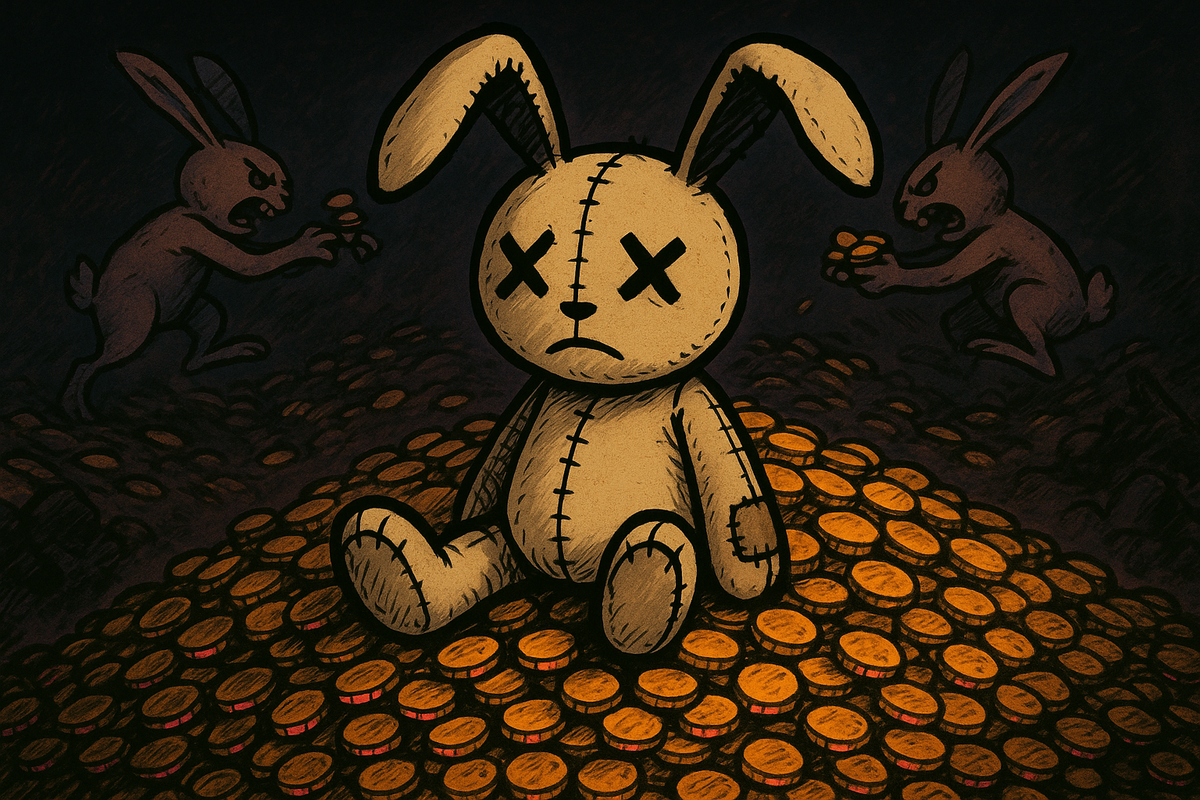
Every problem the gold was supposed to solve remains unsolved. The gold just changes the parameters.
Here's the deeper issue: the gold was supposed to buy options. That's what money does—converts to whatever you need. Need ships? Buy them. Need men? Pay them. Need time? Use gold to create breathing room.
But money only buys things that are for sale. Trust isn't for sale. Coordination isn't for sale. The skills to govern aren't for sale. The empire's decision to leave you alone isn't for sale.
The pirates thought they had a resource problem. Get enough resources, solve all problems. Turns out they had capability problems, culture problems, structural problems. Resources don't fix these. Resources just expose them.
This is the trap of fundraising as strategy. Startups raise capital thinking money solves problems. Sometimes it does. Sometimes it reveals that the problems weren't resource constraints but something deeper—team dysfunction, market misfit, product inadequacy. The capital lets you fail faster and more expensively.
The Urca gold is Nassau's Series B. Raises the stakes. Accelerates the timeline. Exposes the cracks that scarcity kept hidden. Success doesn't validate the model. Success pressure-tests the model. And Nassau's model can't handle pressure.
Countries with oil often have worse governance than countries without it.
This is the resource curse. Easy wealth removes the incentive to build institutions. Factions fight over the resource instead of cooperating on development. The wealth becomes a prize to capture rather than a foundation to build on.
The Urca gold is Nassau's resource curse.
Before the gold, the pirates had to cooperate. They needed each other. They had to build working relationships because survival required it.
After the gold, cooperation becomes optional. Factions can imagine seizing the gold and going their own way. The incentive to work together diminishes. The incentive to capture and exclude increases.
The gold makes the pirate republic worse, not better. It adds a prize that destabilizes the fragile cooperation holding things together.
Part of the problem is what the gold represented.
Flint sold it as salvation. The crew bought salvation. When salvation arrived, it looked like more work—more risk, more uncertainty, more problems.
This is the expectation trap. When you sell the milestone as the ending, reaching it is disorienting. People thought they were done. They're not done. They're at the beginning of a new phase.
Better to sell the milestone as a waypoint. Better to prepare people for what success actually looks like. But founders rarely do this—because waypoints don't motivate like endings do.
Flint needed the crew to chase the Urca. To get them to chase, he sold it as the goal. When they reached the goal and it wasn't the ending, they felt betrayed.
They were.
The gold raises the question every funded startup faces: what are we actually building?
Before the gold, this was abstract. You're building whatever you can, with whatever resources you scrape together. Survival mode.
After the gold, the question becomes concrete. You have capital. You have to allocate it. Allocation forces choices.
Flint wants to allocate to war. The crew wants to allocate to themselves. Eleanor wants infrastructure. Each allocation reflects a different vision of what Nassau should be.
There isn't enough gold to fund all visions. Someone wins and someone loses. The gold that was supposed to unite everyone becomes the thing that divides them.
The Urca gold is Black Sails' meditation on success.
Success doesn't solve the problems you had. It creates new ones. Problems of maintenance instead of acquisition. Problems of choice instead of scarcity.
Most people prefer the new problems. Having money is better than not having money. Having options is better than none.
But the transition is hard. And many organizations—many people—don't survive it. They were built for the chase. They don't know how to live after catching.
The pirate republic was built to pursue the Urca gold. It was not built to handle having it.
The gold destroyed the republic faster than poverty would have.
This is the darkest lesson: sometimes scarcity is what holds things together. The shared enemy. The common struggle. The we're-all-in-this-together energy that scarcity creates. Remove scarcity, and you discover that people were never aligned on values or vision—just temporarily aligned by constraint.
The gold removes constraint. What remains is disagreement, competition, and the realization that the people you were chasing treasure with don't actually want the same future you want. Scarcity masked this. Success reveals it.
Success is not the ending. Success is the stress test. Most organizations fail it.
Previous: Elite Overproduction on the High Seas: Turchin in Nassau Next: Black Sails: Why the Pirate Republic Always Falls