Series
Black Sails: A Leadership Masterclass Disguised as Pirate TV
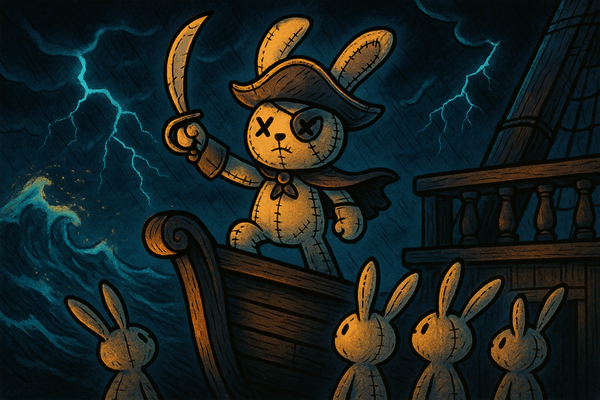
Black Sails sold itself as a pirate adventure. What it actually delivered was a ruthless case study in founder psychology, mission drift, and why idealism loses.
Series
Black Sails sold itself as a pirate adventure. What it actually delivered was a ruthless case study in founder psychology, mission drift, and why idealism loses.
blacksails
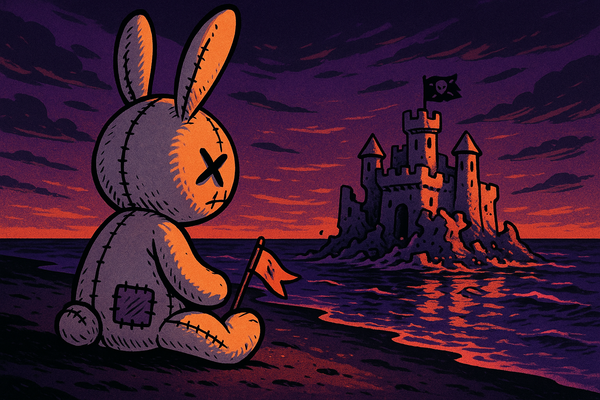
Every freedom project ends the same way. Black Sails is a four-season meditation on why — and it's more honest about power than almost anything else on television.
blacksails
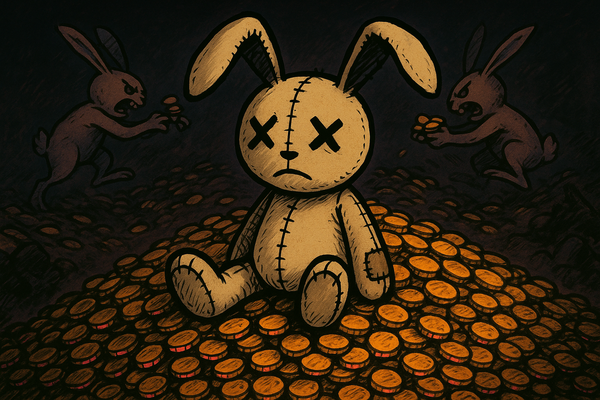
The Urca gold was supposed to solve everything. Then they got it. Black Sails' sharpest lesson: winning the mission doesn't end the problem — it reveals the next one.
blacksails
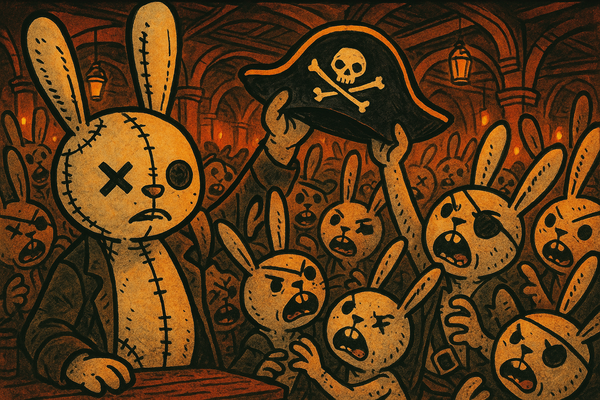
Too many alphas, not enough ships. Turchin's elite overproduction theory didn't need a textbook — it needed a pirate port.
blacksails
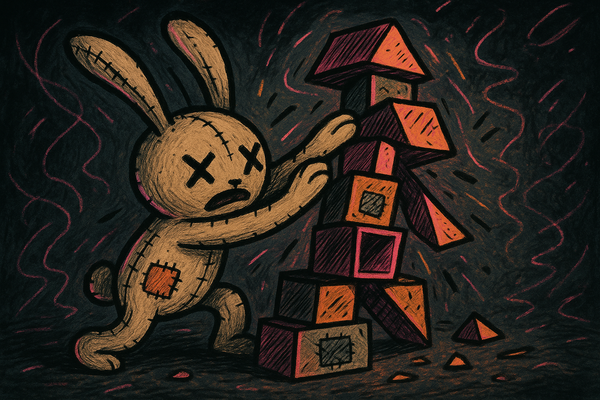
The Pirate Republic of Nassau had no hierarchy, no bureaucracy, and no limits. It also couldn't survive its own success — which is exactly why Black Sails is a startup story.
blacksails
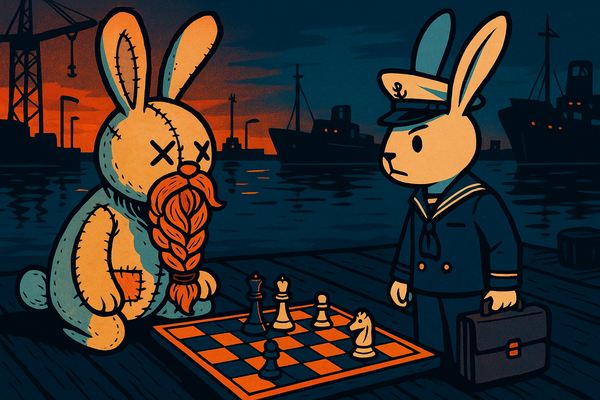
Blackbeard built the most powerful personal brand in the Atlantic. Woodes Rogers showed up with institutional backing. The outcome was never really in doubt.
blacksails
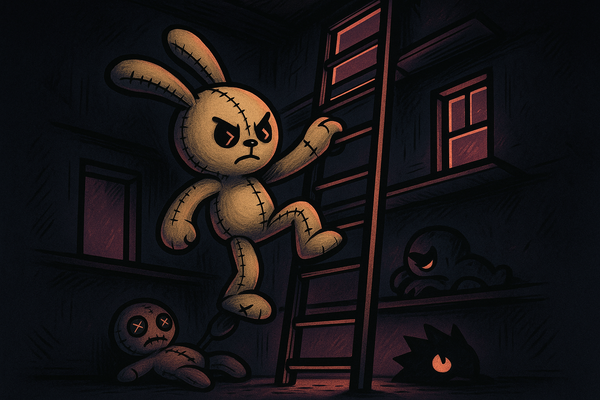
Max never held a weapon. She held information, leverage, and patience — and ended up running the entire Nassau economy. The quiet power player Black Sails deserved.
blacksails
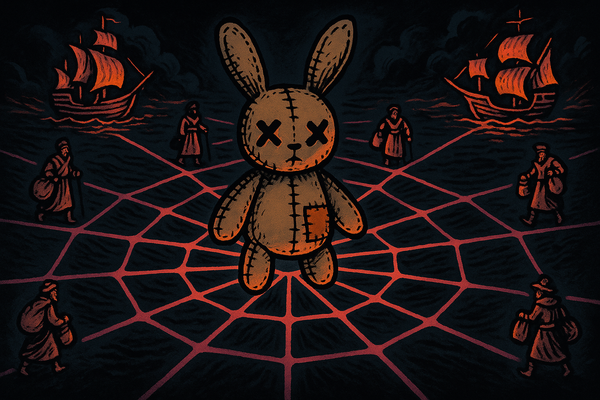
Eleanor doesn't sail. She controls the port. Every pirate needs Nassau, which means every pirate needs Eleanor. That's platform power.
blacksails
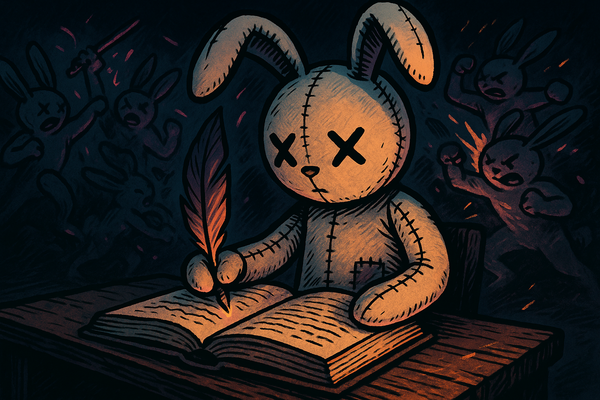
Jack Rackham isn't the strongest man in Nassau — he's the one telling the story. And narrative control beats operational control every time.
blacksails
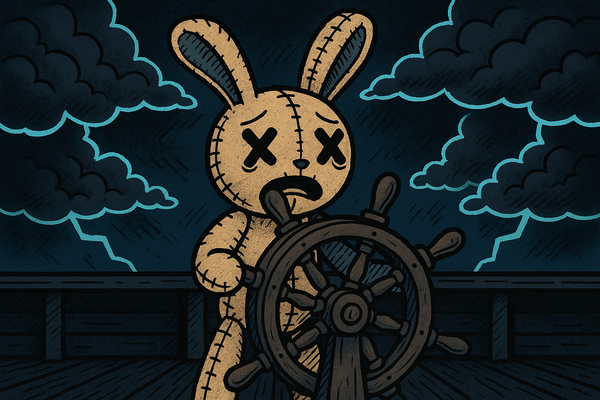
They know exactly how the ship runs — they just can't stomach the sausage. The half-way crook problem is everywhere, and Black Sails nails it.
blacksails
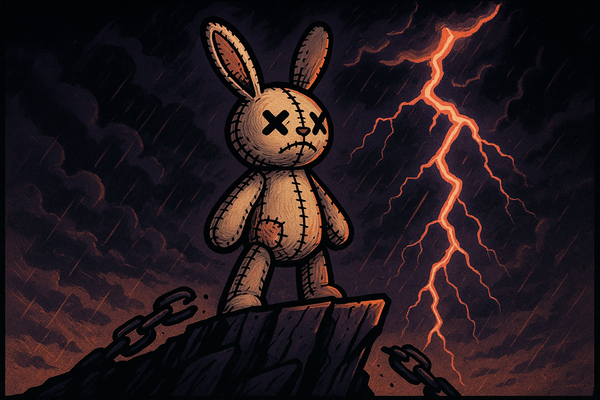
Vane won't bend for anyone. That conversation with Flint about loving women and submitting to comfort? That's the whole show.
blacksails
Silver arrives with nothing and ends up running everything. He doesn't want power — he just understands it faster than anyone else in the room.