The Kids Are Alright
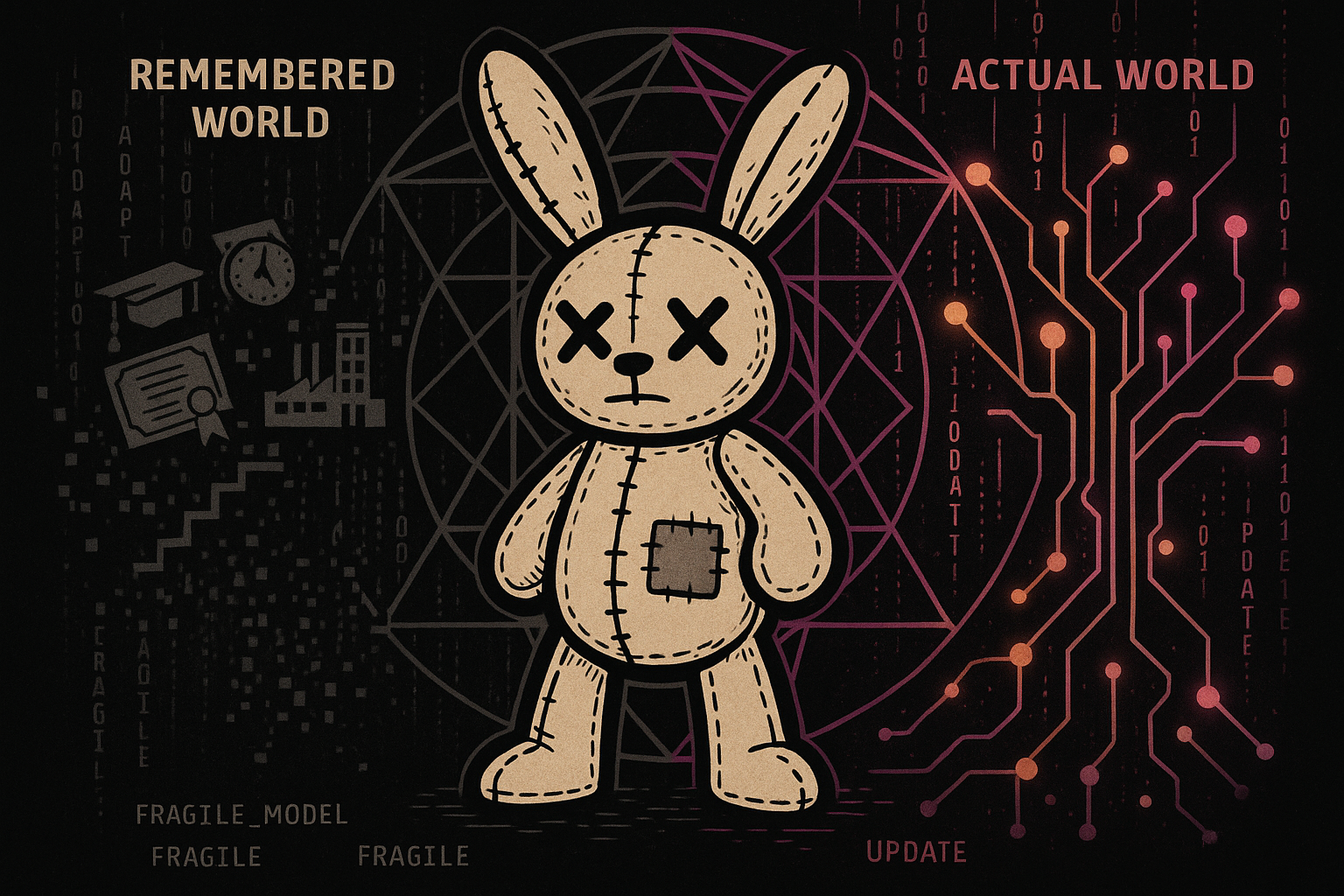
Your model of childhood is fragile. Your children aren't. Every generation's supposed pathology is really just adaptation to constraints the previous one never had to survive.

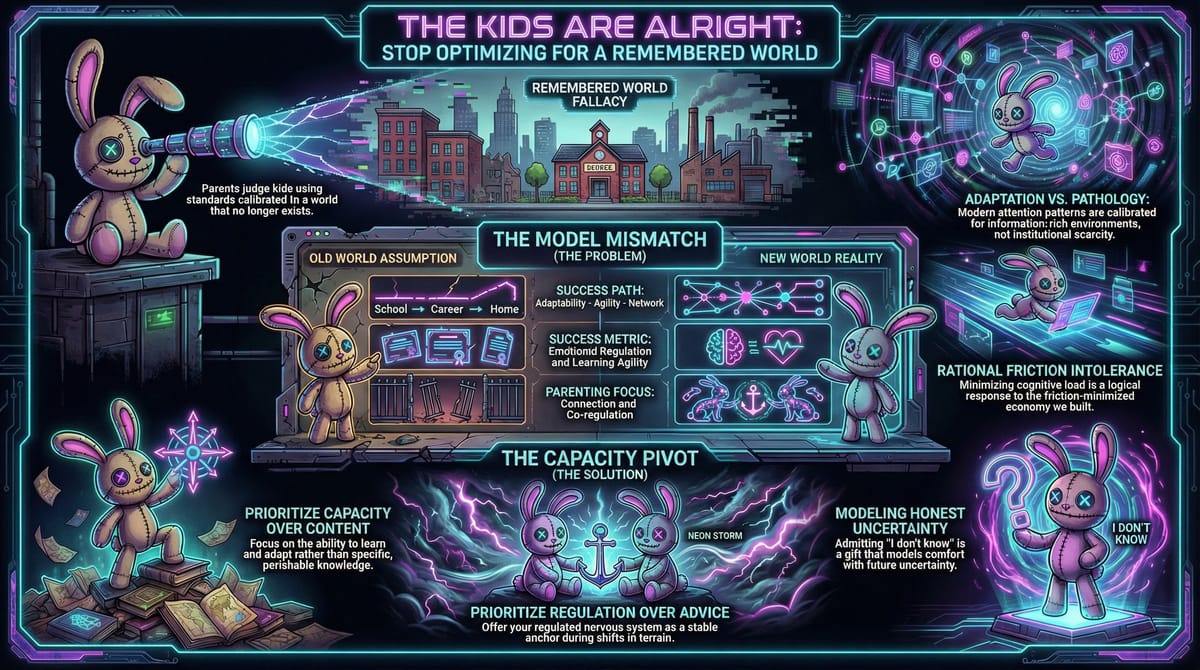
The Kids Are Alright
Every generation panics about the next one. Every generation is wrong in the same way.
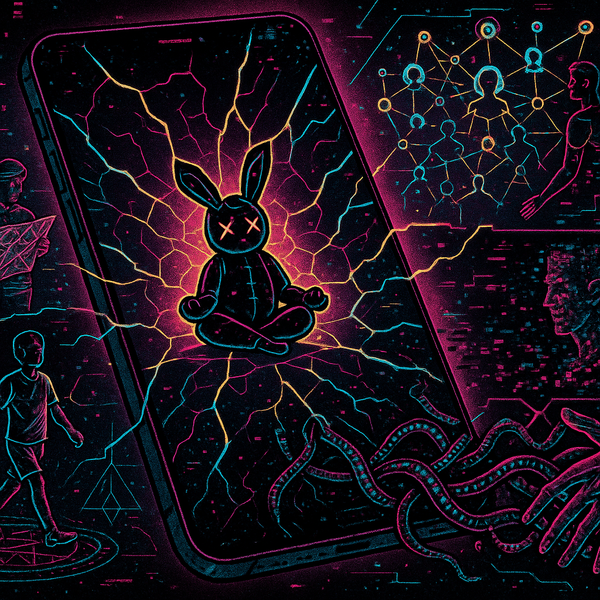
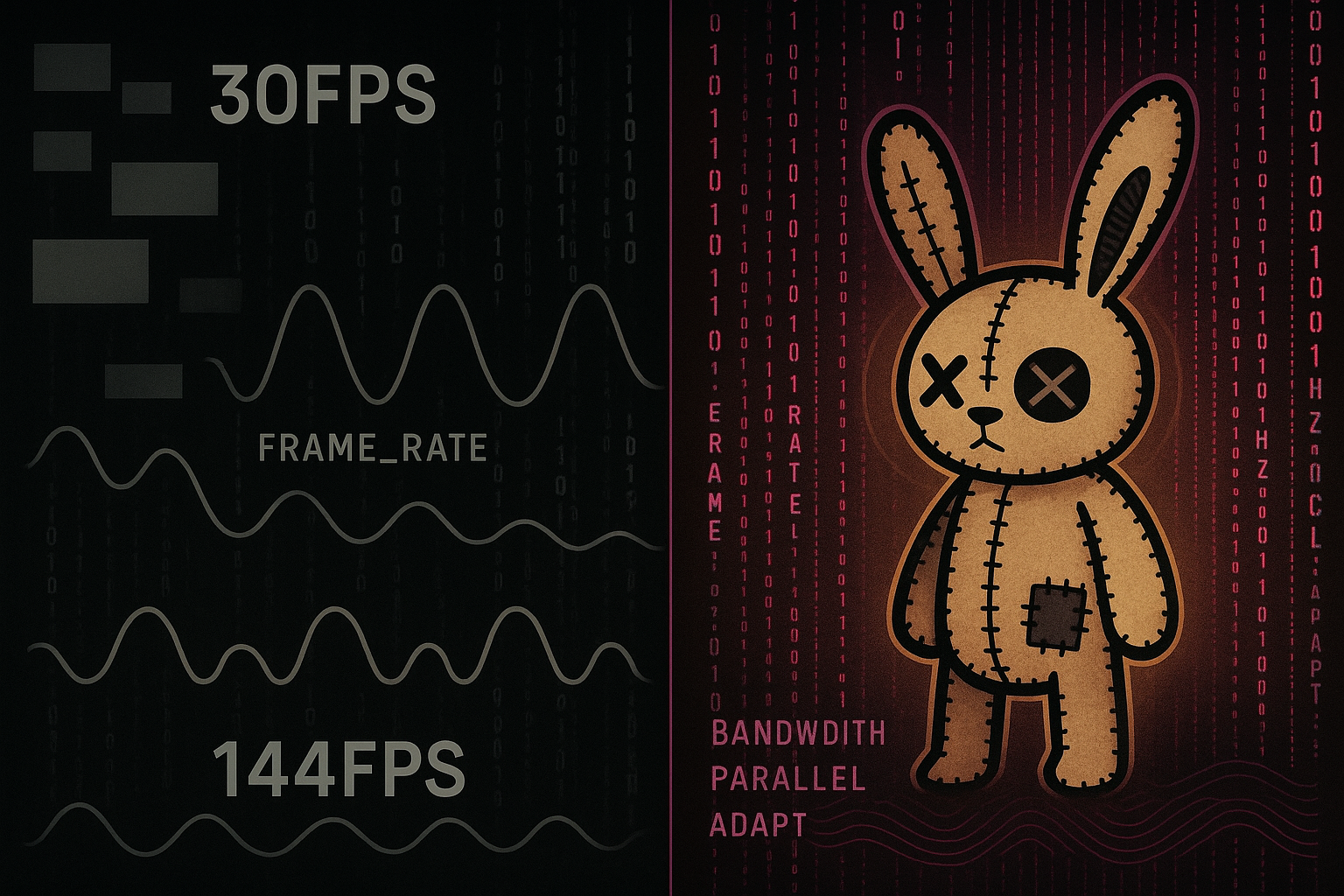
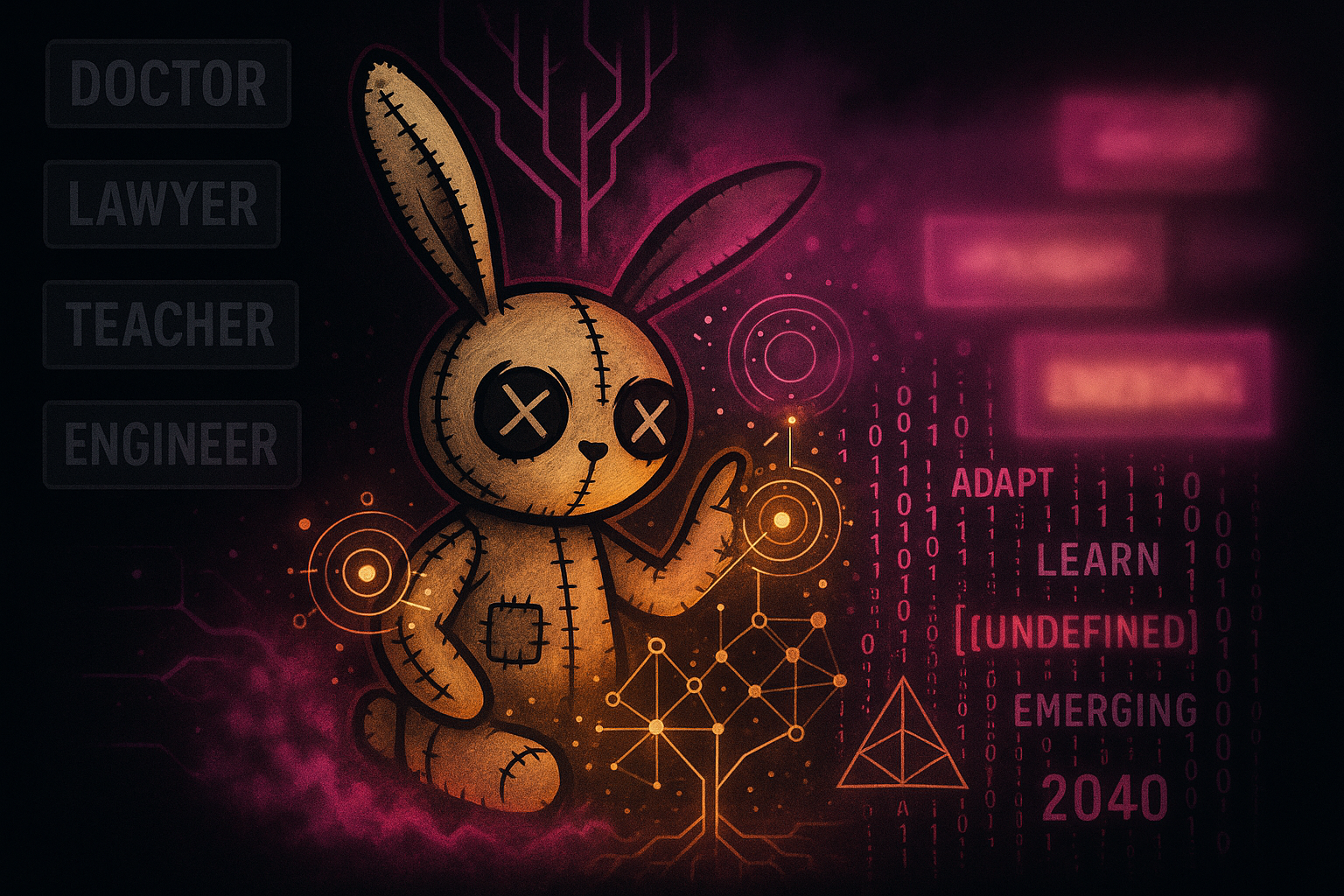
The kids aren't broken. They're adapted to an environment you didn't grow up in and can't fully see. The behaviors that look like pathology—short attention spans, friction intolerance, present-orientation—are rational responses to a world that shifted underneath everyone while we were arguing about screen time.
This series makes one argument: your model of childhood is fragile, not your children.
The Core Thesis
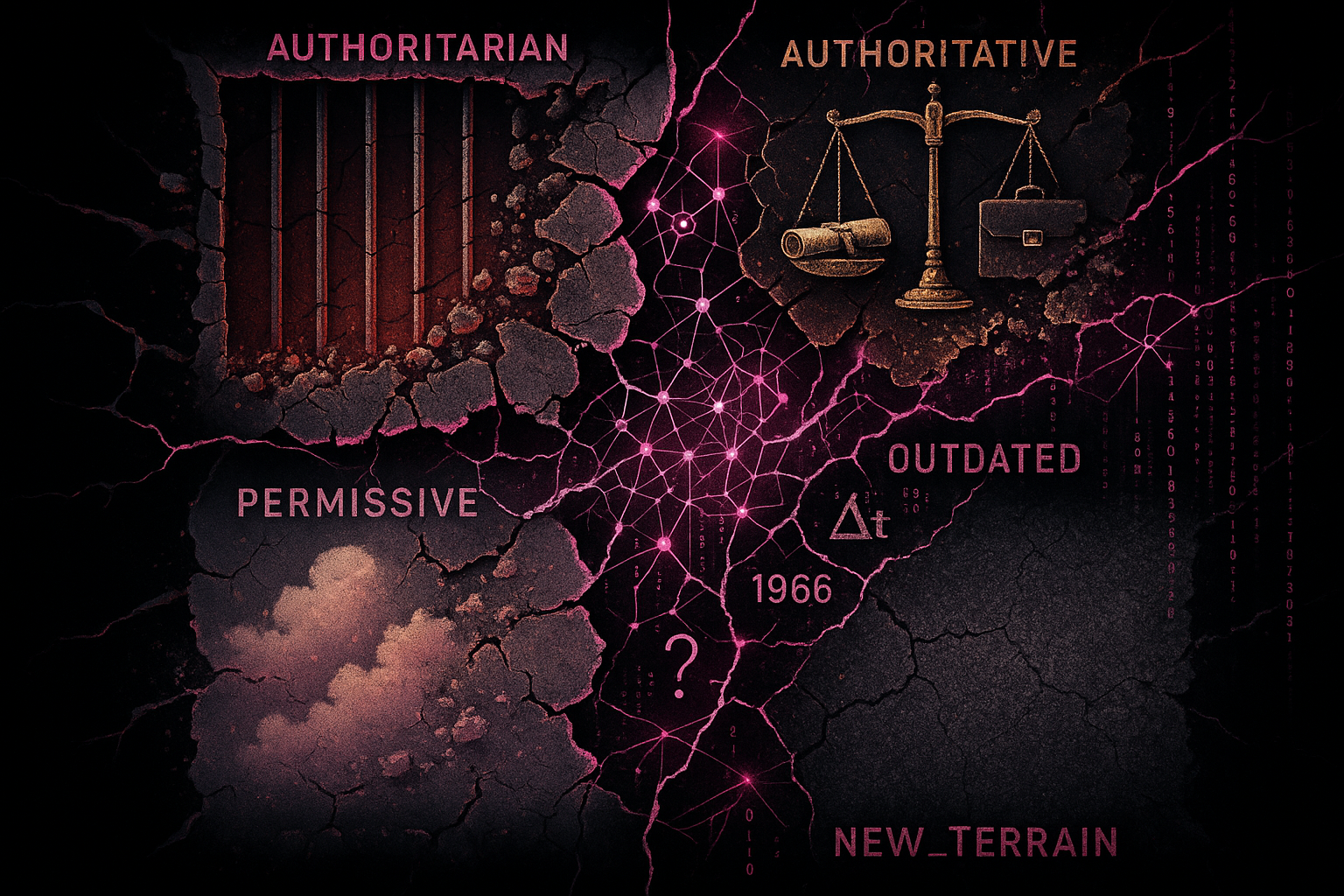
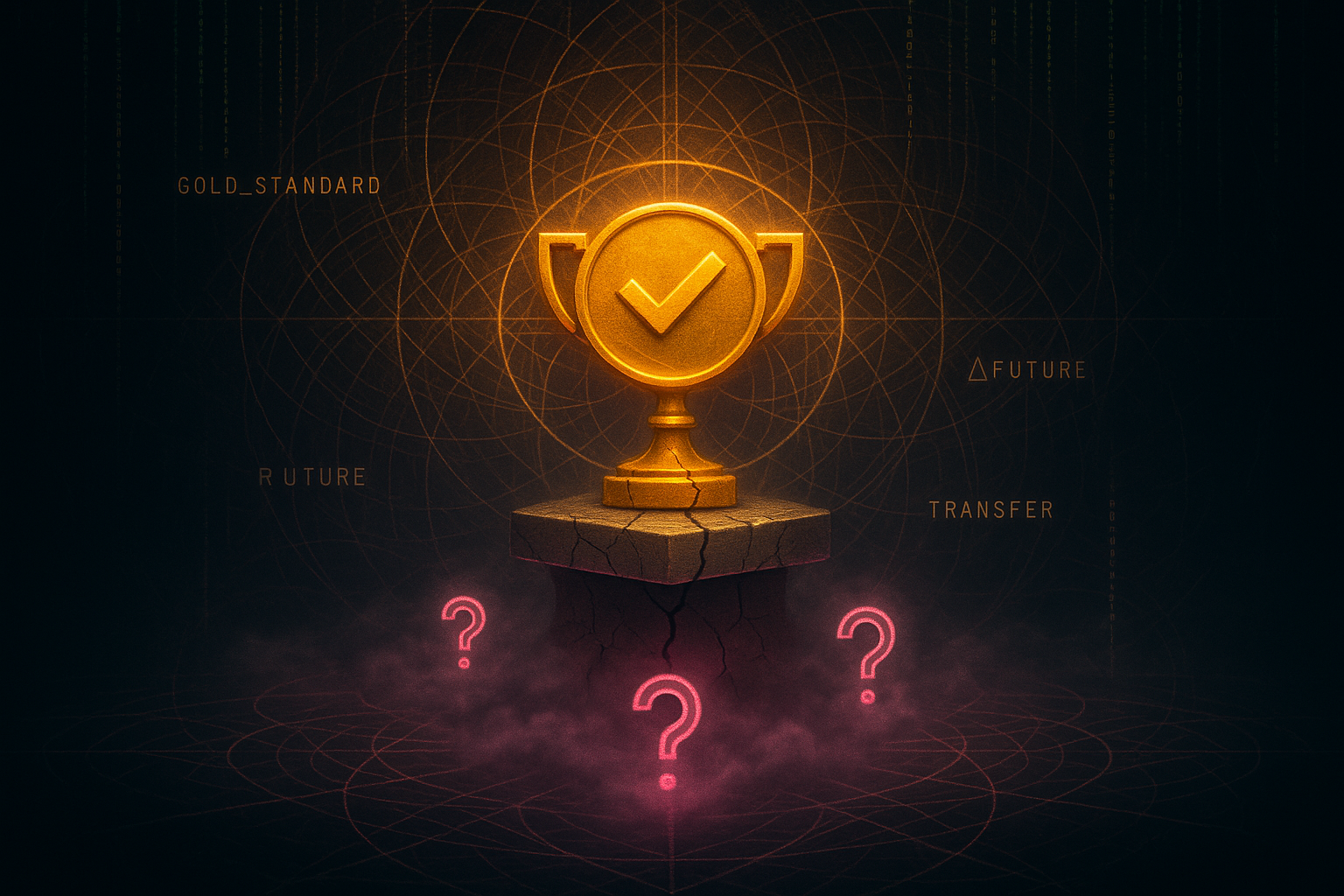
The frameworks we use to evaluate kids—Baumrind's parenting styles, DSM disorder categories, "appropriate" developmental milestones—were built for a world with predictable careers, stable institutions, and legible success metrics.
None of those assumptions hold anymore.
When the terrain changes faster than the map-makers can update, the people navigating by feel aren't lost. They're the only ones who aren't lying to themselves about where they are.
What This Series Covers
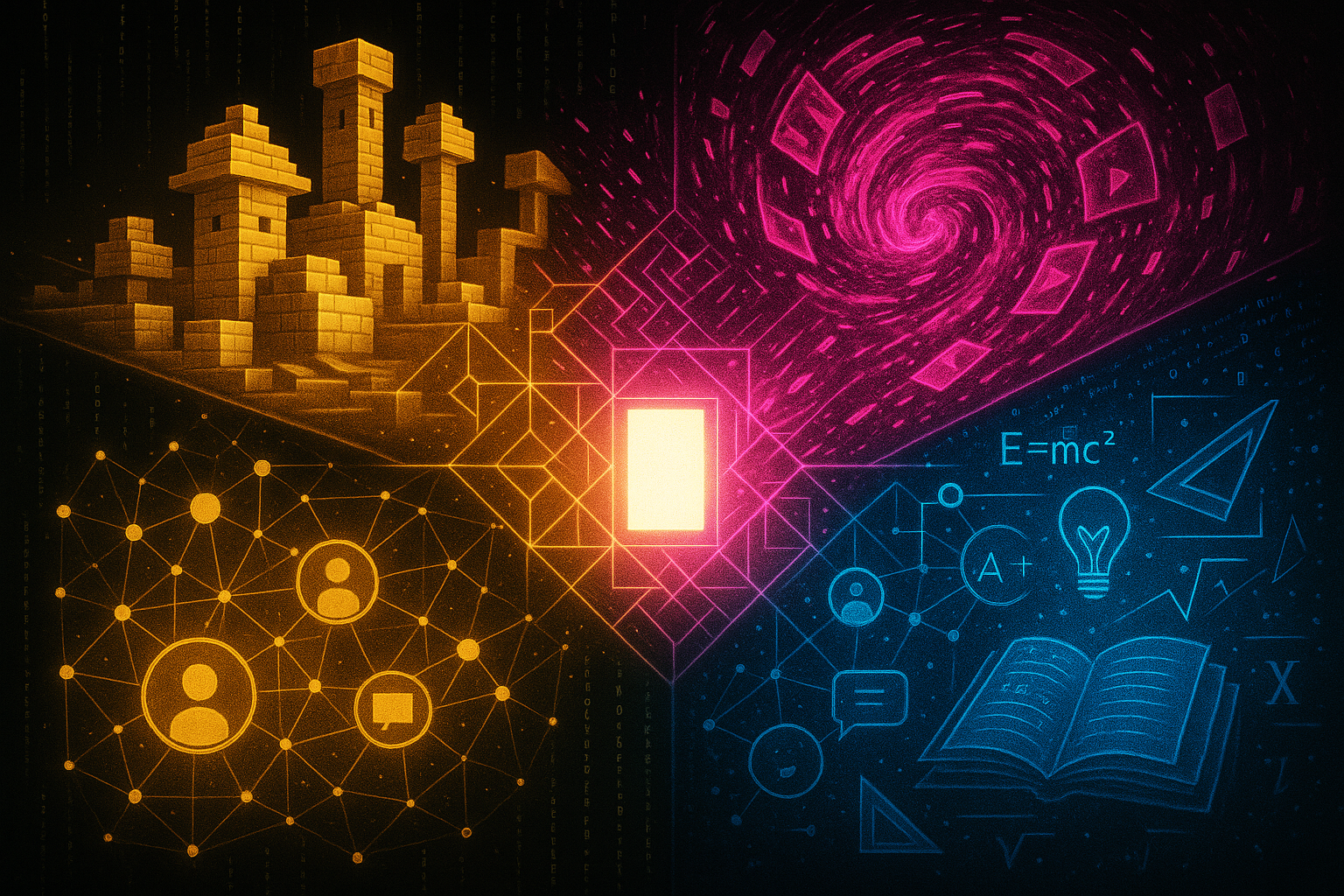
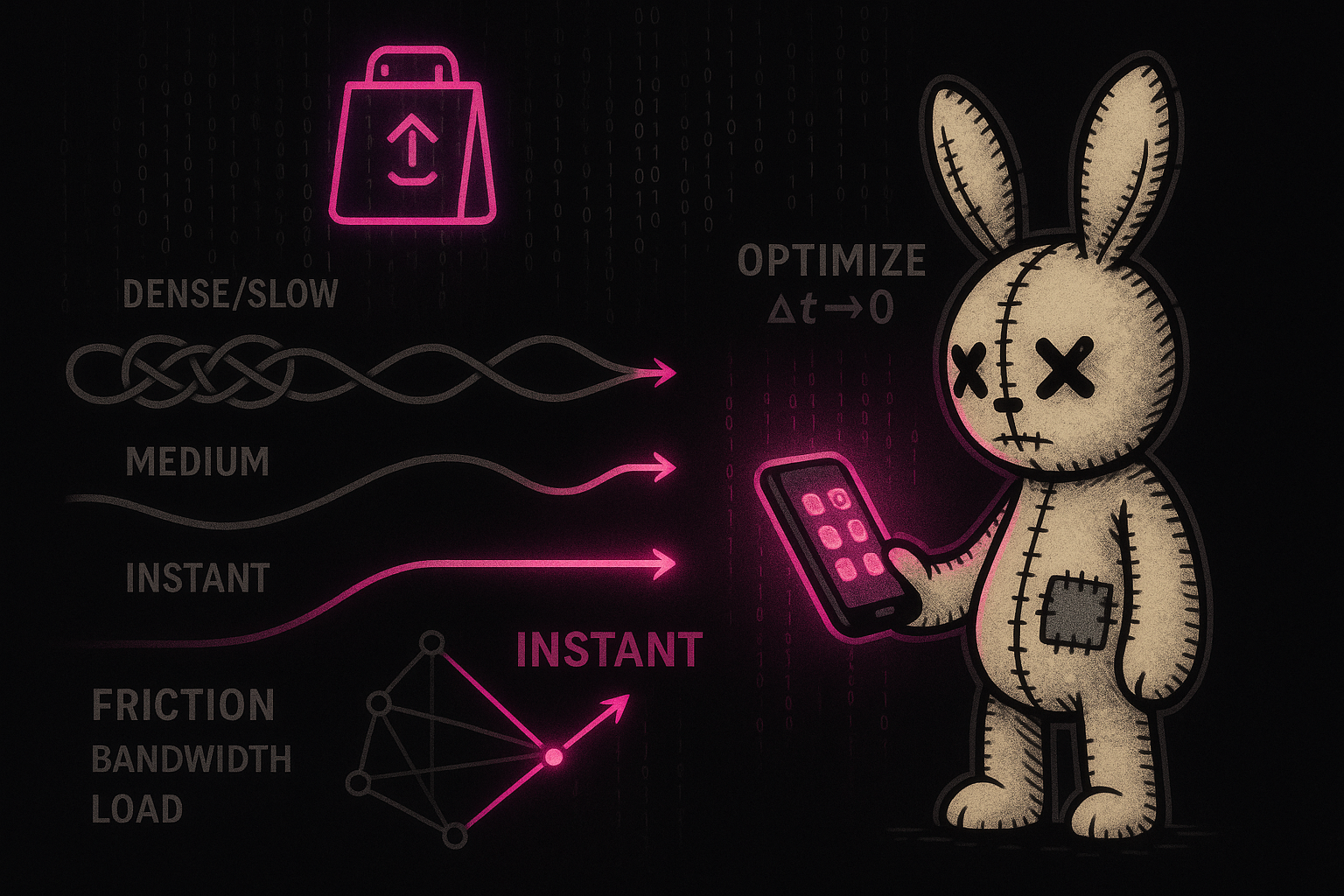
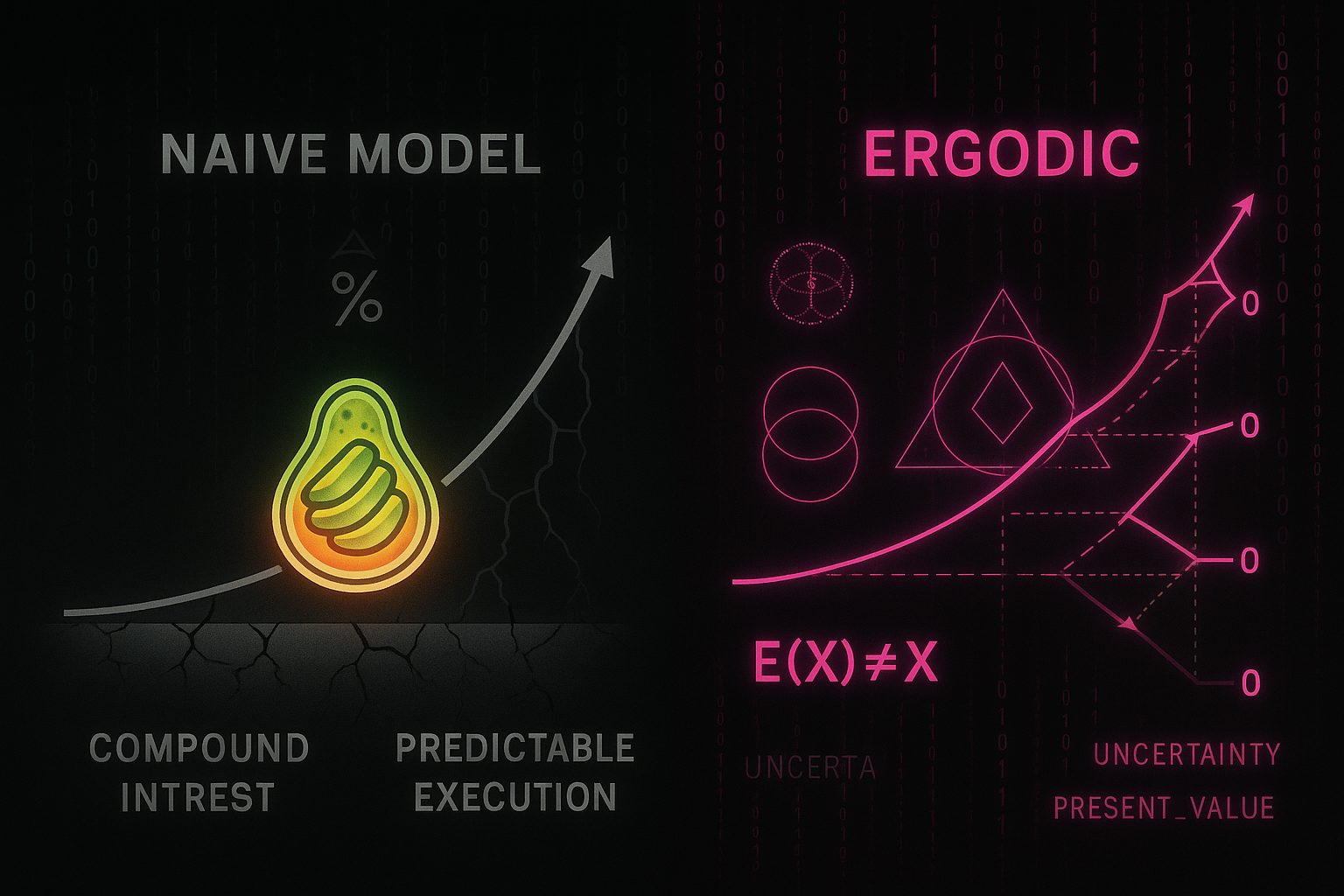
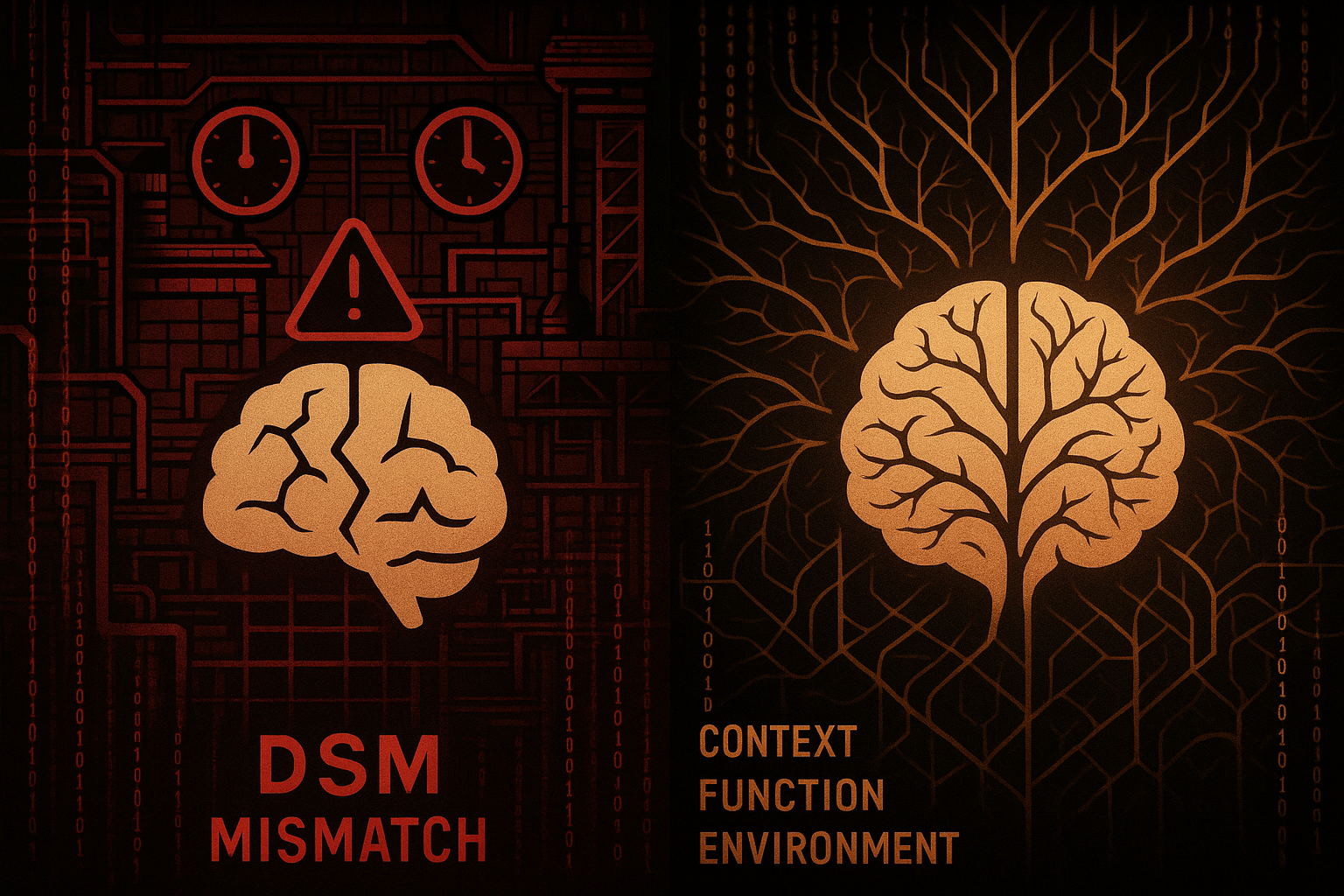
Who This Is For
Parents who suspect the panic is overblown but can't articulate why.
Anyone who's noticed that the "kids these days" complaint hasn't changed in content for three thousand years, and maybe that says something about the complaint rather than the kids.
People who want a complexity-informed take on development that doesn't pretend we know what the future looks like.
The kids are alright. The question is whether the adults can update fast enough to see it.