Free Use: The Fantasy of Total Availability

Part 24 of 36 in the The 2026 Kink Field Guide series.
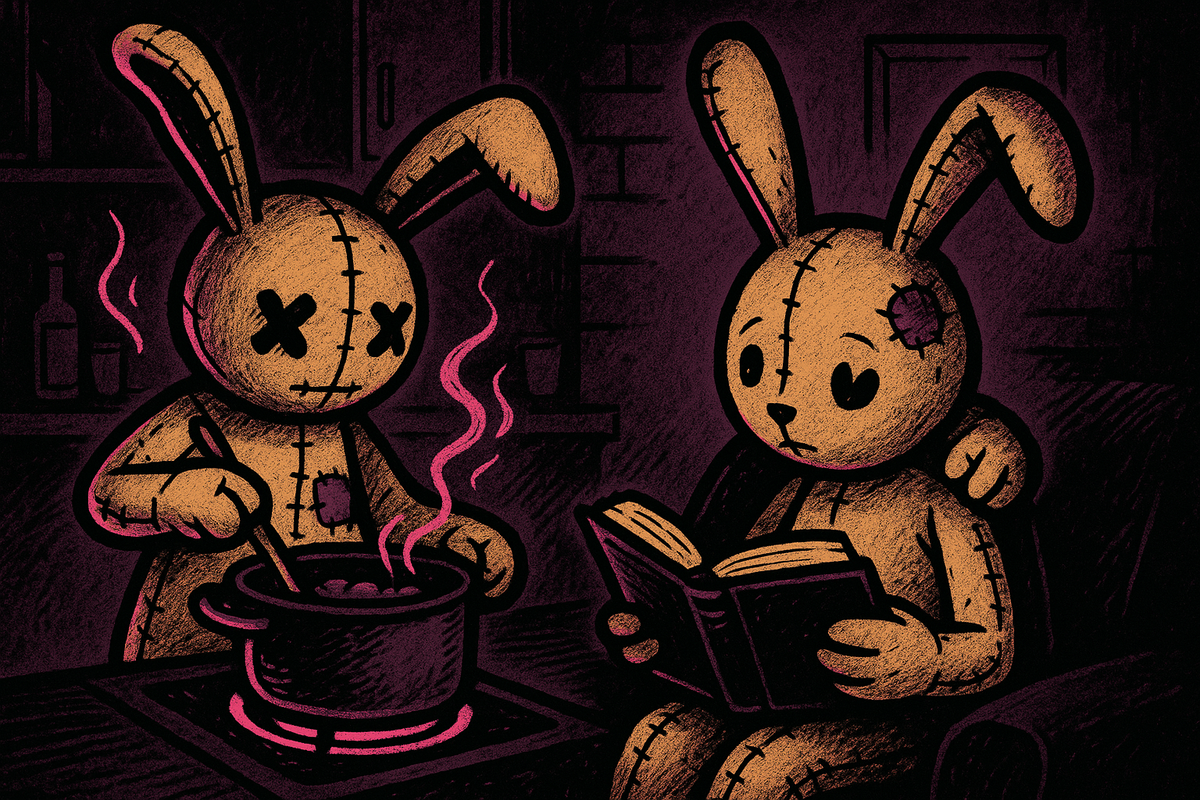
You're cooking dinner. He comes up behind you, bends you over the counter, uses you, finishes, and walks away. You keep cooking.
No negotiation. No "is this a good time?" No seduction or buildup. Just use. You're available, and he avails himself.
This is free use. The fantasy of total availability—a standing consent that eliminates the friction of asking, removes the negotiation from each encounter, makes the submissive partner a permanently accessible resource for the dominant's desire.
What It Is
Free use is a power exchange dynamic where one partner has standing permission to initiate sex (or other specified acts) at any time, without needing to seek consent for each instance.
The key features:
Pre-negotiated consent. The "free" in free use doesn't mean no consent. It means consent has been given in advance, as blanket permission. "You can use me whenever you want" is the agreement.
No per-instance negotiation. The dominant doesn't ask "do you want to?" They just do. The asking happened once, at the establishment of the dynamic.
Unilateral initiation. The dominant decides when, where, how. The submissive is available.
Objectification element. The submissive becomes, in the fantasy frame, an object for use rather than a partner to negotiate with. This objectification is the kink.
Free use can be time-limited (during a weekend, during specific hours) or ongoing (a feature of the relationship always).
The Fantasy Structure
The free use fantasy typically involves:
The submissive going about regular life while being sexually available. Watching TV, working, cooking, sleeping—and being used during these activities.
No buildup. No foreplay, no seduction, no warming up. The dominant takes; the submissive provides. The abruptness is part of it.
The dominant taking what they want. The pleasure is their focus. The submissive facilitates. The using is selfish.
Resumption of normal activity. After being used, the submissive returns to whatever they were doing. The encounter doesn't restructure the day. It's just something that happened.
The banality. Part of the fantasy is how casual the use is. Not special occasion sex but background-activity sex. So normal it's barely an event.
Why It Appeals
Free use appeals differently to submissives and dominants:
For submissives:
Being wanted constantly. The fantasy says: you're so desirable that I can't wait, can't resist, have to have you right now. The use is proof of desirability.
No performance required. You don't have to be in the mood, don't have to reciprocate, don't have to perform arousal. You just have to be available. The pressure of mutual engagement is removed.
Pure receiving/surrender. Free use is total submission in the sexual domain. Your body belongs to them. The surrender is complete.
Objectification appeal. For some, being treated as an object is erotic. The reduction to function—you're a thing to use—creates charge.
Fantasy of being chosen. Someone wants you enough to establish this dynamic. The standing permission itself is validating.
For dominants:
Access without negotiation. No asking, no wondering if it's a good time, no potential rejection. The access is just there.
Power made concrete. This level of availability is real power. You can take what you want. The dynamic is not theoretical.
Spontaneity. Desire can be acted on immediately. No foreplay delay, no mood-building. Impulse → action.
Ownership expression. Using someone whenever you want expresses ownership. They're yours; you use what's yours.
The Attachment Lens
Free use maps onto attachment in interesting ways:
Anxious attachment might be powerfully drawn to free use. The constant availability proves desirability. The standing permission means not having to wonder if they want you. The use = love equation plays out directly.
But anxious attachment might also struggle. What if the dominant doesn't use them often enough? The lack of use becomes evidence of not being wanted. The dynamic that was supposed to soothe can create new anxieties.
Avoidant attachment might appreciate free use for different reasons. The objectification creates distance—you're a thing, not a person needing emotional engagement. The transactions are physical, not emotional. The avoidant can engage sexually without the intimacy that threatens them.
But avoidant attachment might resist the vulnerability of being available. The exposure of "use me whenever" might feel too intimate, too surrendered.
Secure attachment can engage free use as play rather than compensation. The security exists independently; free use is an erotic game within a secure relationship.
How It's Practiced
In practice, free use requires careful negotiation:
Scope definition. What acts are included? PIV? Oral? Anal? Is the submissive expected to reciprocate in any way? What's included in "free use" must be specific.
Location limits. Is free use everywhere or only at home? In front of others or private only? The where matters.
Time limits. Is this a 24/7 agreement or for specific periods? Many couples practice free use for a weekend, a vacation, designated times—not as permanent lifestyle.
Exclusions. Are there times when free use is suspended? During illness, guests present, work emergencies? Hard limits that override the standing permission.
Check-in mechanisms. Safewords still apply. Even with standing permission, the submissive can stop a specific instance. The blanket consent doesn't eliminate the ability to withdraw consent.
Ongoing consent. The meta-level agreement should be revisited. Free use arrangements can become one-sided or unsustainable. Regular check-ins ensure both parties still want this.
The Complications
Free use has complications:
The arousal problem. If the submissive isn't aroused, penetration can be uncomfortable or harmful. Physical preparation matters even when emotional preparation is bypassed. Many free use agreements include the dominant ensuring basic physical readiness.
Some couples solve this with lube readily available. Others negotiate that certain types of use require the dominant getting the submissive physically ready first—not as emotional foreplay but as physical preparation. The fantasy is instant access; the practice includes practicalities.
Resentment risk. If free use becomes genuinely unwanted but the submissive feels trapped in the agreement, resentment builds. The submissive must retain actual ability to renegotiate.
The standing consent must remain genuinely revocable. If the submissive says "I need to pause the free use arrangement," and the dominant responds with anger, guilt-tripping, or pressure, the consent was never truly free. The ability to withdraw must be real, not theoretical.
Dominants not using. If the dominant has free use permission but rarely exercises it, the submissive might feel undesired. The available-but-not-taken situation can be worse than no arrangement.
The submissive offered total availability and the dominant isn't taking it—what does that mean? The anxious mind fills in answers: "I'm not attractive enough. He doesn't actually want me. The arrangement was pity."
Communication helps: "I have free use permission and I'm using it less than I thought I would. That's about my energy levels, not about desire for you." But the dynamic requires management.
Life interference. Free use can conflict with work, social obligations, health needs. The fantasy of constant availability meets the reality of complex lives.
The one-sided appearance. From outside, free use looks like exploitation. Context matters—this is a consensual power exchange—but the appearance can create social issues.
Relation to Other Kinks
Free use connects to several other dynamics:
D/s (Dominance/submission). Free use is a specific expression of power exchange in the sexual domain.
Objectification. The submissive as object is central to free use. This overlaps with other objectification kinks.
Service submission. Some frame free use as service—the body serves the dominant's pleasure. The submissive's role is to provide.
Consensual non-consent. Free use is sometimes categorized as CNC because the per-instance consent isn't sought. But the frame differs: CNC emphasizes resistance and violation, free use emphasizes availability and access.
Total Power Exchange (TPE). Free use might be one component of a broader TPE arrangement where the dominant controls multiple domains.
Different Reading by Orientation
Interestingly, free use reads differently to people with different attachment orientations:
To the anxiously attached, free use means: you're wanted all the time. Security through constant desirability.
To the avoidantly attached, free use means: sex without emotional negotiation. Physical access without emotional exposure.
To the securely attached, free use means: an erotic game we play. Fun, hot, optional.
Same practice, different psychological meanings. The kink is shaped by what you bring to it.
The Ethics
Free use raises ethical questions:
Consent validity. Can you really consent in advance to unspecified future acts? The legal/philosophical questions about blanket consent are real. The kink community's answer: yes, with safeguards, but the consent can be withdrawn.
Power imbalance exploitation. If one partner wants free use more than the other, or if there's pressure to agree, the consent may not be fully free. The dynamic is only ethical when genuinely mutual.
Normalization concerns. Does practicing free use affect how people think about consent generally? Could it create problematic assumptions that carry into other contexts?
Worker appropriation. Some people offer "free use" dynamics professionally (paid—the irony of the term is not lost). The commercial dimension creates its own questions.
The Power Exchange Mechanics
Free use is interesting as power exchange because the power is in the waiting, not just the using.
The submissive lives with potential use. Any moment could be the moment. This creates sustained awareness of the dominant's authority. You're always available; that availability is always present in your consciousness.
The dominant lives with the knowledge that access is theirs. The choice to use or not use is their choice. The power is in the discretion—taking when desired, refraining when not, the submissive having no say in which.
This differs from scene-based D/s where power is activated during scenes and paused between. Free use keeps the power exchange ambient, background, always on. The dynamic doesn't have discrete start and end points; it's a constant condition.
For some, this constant activation is exactly what they want from power exchange. Not scenes they enter and exit, but a steady state of dominance and submission that permeates ordinary life.
For others, it's too much. The lack of breaks becomes exhausting. Power exchange needs rest periods to be sustainable. Free use might provide intensity without sustainability.
Trying It
For those curious about free use:
Start limited. A few hours. A day. See how it feels before expanding. Don't start with 24/7.
A weekend free use trial is different from permanent arrangement. Time-boxing the experiment lets you explore without committing to something you might not want long-term.
Define narrowly. Be specific about what's included. Expand the scope as you learn what works.
Keep talking. The fantasy is no-negotiation use. The reality is ongoing communication. Both can coexist.
Check your motivations. Is this what you want, or what you think you should want? Is the appeal coming from a healthy place?
Watch for problems. If resentment builds, if one partner is unhappy, if the dynamic creates problems—address them. Fantasy should enhance life, not damage it.
Free use is the fantasy of total availability—the standing permission that eliminates negotiation and makes access frictionless.
It appeals to those who want constant desirability, to those who want uncomplicated access, to those who find objectification and availability erotic.
It requires careful negotiation to be practiced safely, ongoing communication to remain healthy, and honest self-examination to ensure it's genuinely wanted.
The friction of asking is removed. Whether that's liberation or loss depends on who you are and what you're looking for.
Previous: What Is CNC? Consensual Non-Consent Explained Next: Edging: Delayed Gratification as Practice