
og
Money: Risk, Randomness and the House
Not a get-rich section. A don't-go-broke section: fat tails, black swans, the house edge, barbells and skin in the game, with Nassim Taleb as patron saint and the casino as the unlikely hero.

i write because the the alternative forms of my obsessive insanity are either too destructive or decidedly less sexy.

og
Not a get-rich section. A don't-go-broke section: fat tails, black swans, the house edge, barbells and skin in the game, with Nassim Taleb as patron saint and the casino as the unlikely hero.
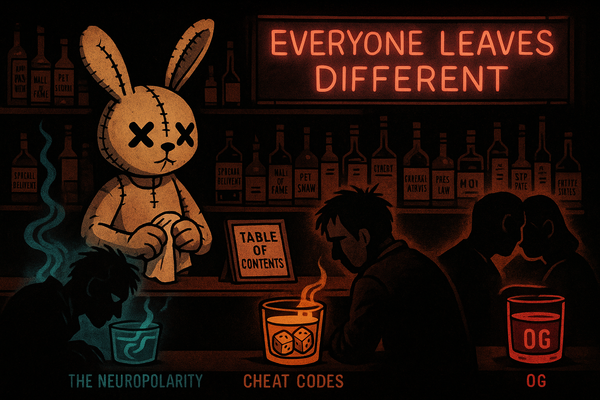
Structured paths through MoneySexNerd. Some ideas need room to breathe. A single post can introduce a concept, but transformation requires repetition, variation, application. These series are designed for that—each one a complete curriculum on its subject. Pick the path that matches where you are. Neuropolarity: Navigating the AI Phase
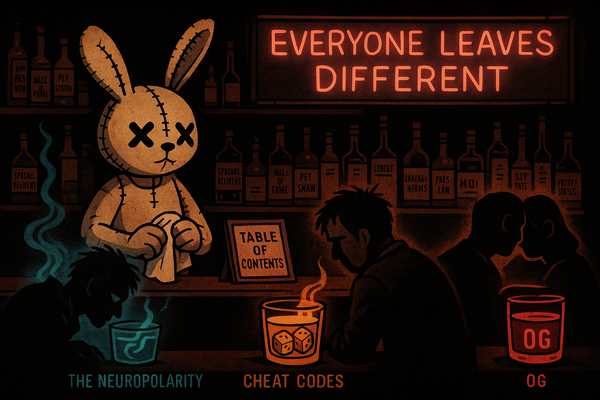
One-offs and orphans. Ideas that don't fit a series yet. Some pieces resist categorization. They're experiments, responses, tangents that turned into their own thing. The junk drawer with the good stuff in it. Essays migrate into series as patterns emerge. What starts here may end
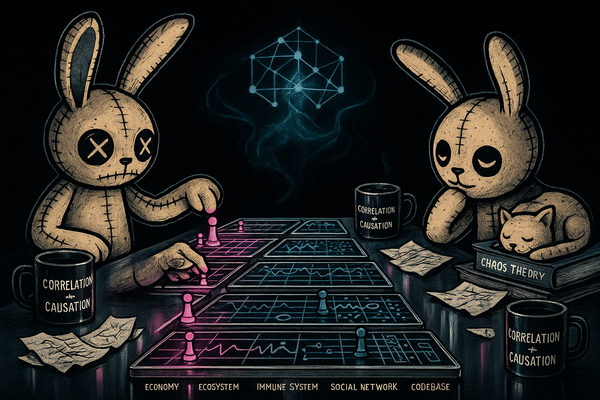
The original batch. Cultural hot takes, system maps, and pattern recognition from before the rebrand. These are the first MoneySexNerd essays—written when the voice was still finding itself and the substrate hadn’t been fully encoded. Raw takes. Wonky formatting. Unpolished edges. They stay because the patterns are still
cheatcodes
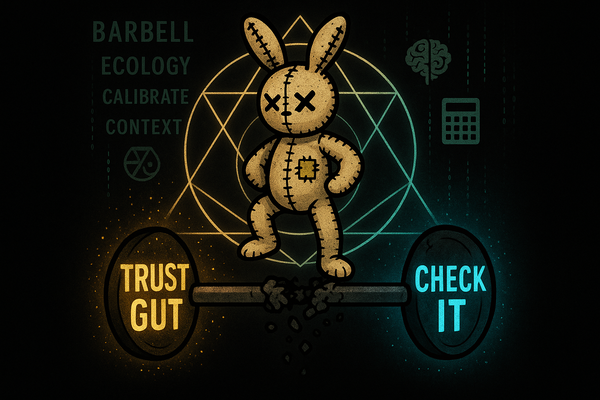
When to trust your gut, when to override it—and how to build a life that works with your brain instead of against it We’ve covered eleven heuristics. Eleven ways your brain takes shortcuts. Eleven patterns that evolved for one environment and now operate in another. The standard conclusion
cheatcodes
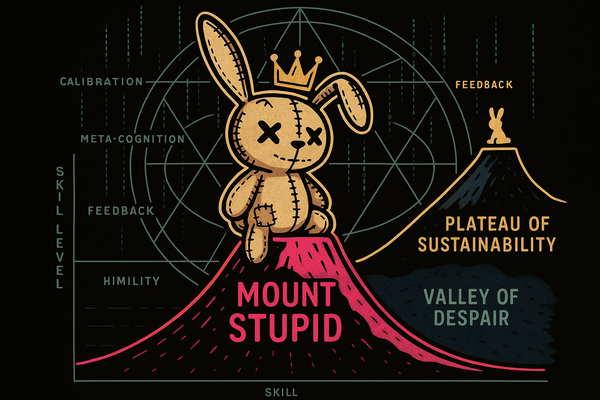
Why the less you know, the more confident you are—and why real expertise feels like doubt You watch a few YouTube videos on investing. Now you see the market clearly. These patterns are obvious. Why doesn’t everyone just do this? You’re ready to trade. Six months later,
cheatcodes
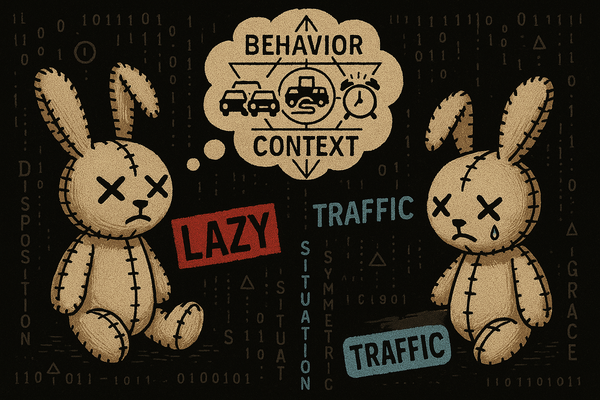
Why you judge others by their actions but yourself by your intentions—and why this destroys relationships Someone cuts you off in traffic. Asshole. You cut someone off in traffic. Sorry, I was late for an emergency, didn’t see them, had to make that exit. Same behavior. Different explanations.
cheatcodes
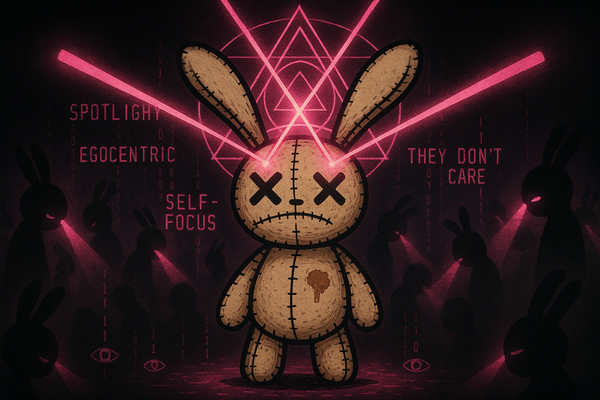
Why you’re convinced everyone saw you trip—and why they definitely didn’t You spill coffee on your shirt before a meeting. The stain is there, right on the front, visible to anyone who looks. You walk into the room and feel every eye on you. Or rather, on
cheatcodes
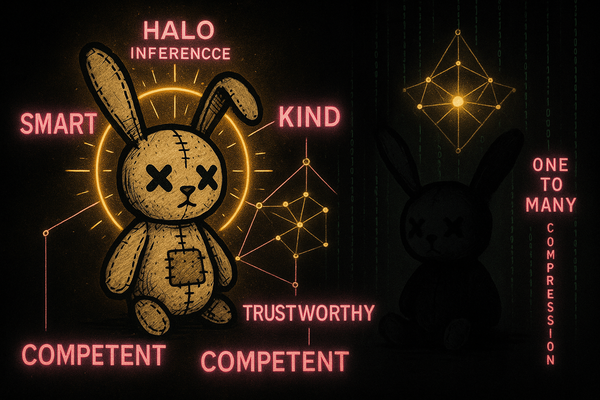
Why one positive trait colors everything—and why first impressions are even more dangerous than you think A defendant walks into a courtroom. She’s attractive—symmetrical features, well-dressed, put together. Studies show she’ll get a lighter sentence. Not because judges are consciously biased toward pretty people. But
cheatcodes
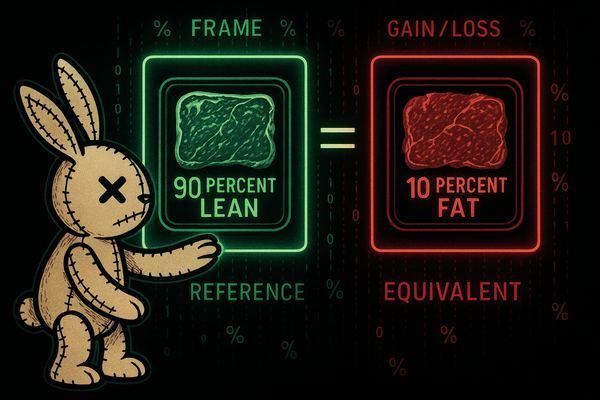
Why “90% fat-free” sells better than “10% fat”—and how presentation hijacks your choices Two packages of ground beef sit on the shelf. One says “90% lean.” One says “10% fat.” Same beef. Same nutritional content. Same product. But people reach for the 90% lean. They rate it as
cheatcodes
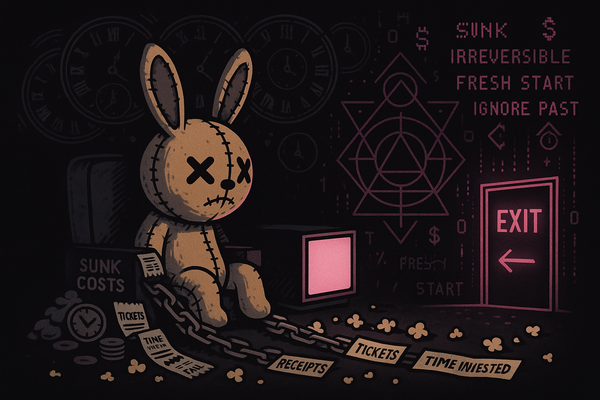
Why you stay in bad jobs, hold losing stocks, and keep reading books you hate—and how to stop The movie is terrible. You knew it thirty minutes in. The plot is predictable, the dialogue is wooden, and you’re bored. But you’ve already watched an hour. You paid
cheatcodes
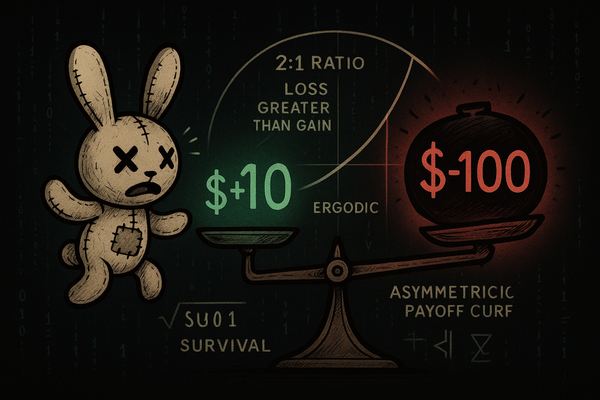
Why the pain of losing $100 outweighs the pleasure of finding $100—and why this “bias” might actually be correct Here’s a bet: flip a coin. Heads, you win $100. Tails, you lose $100. Mathematically, this is a fair bet. Expected value of zero. A perfectly rational agent should