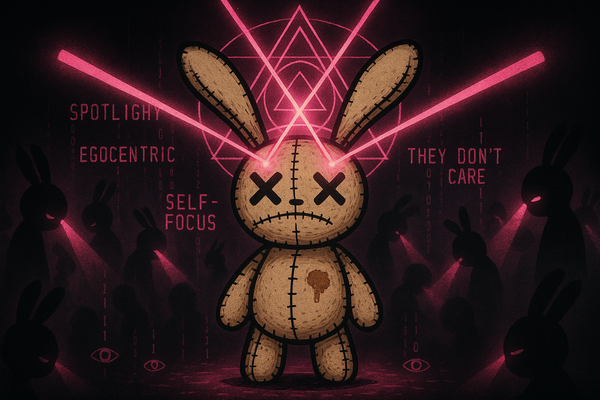
Nobody Noticed Your Stain
We overestimate others' attention by 2x or more. Learn why the spotlight effect keeps you self-conscious and how small behavioral tests can free you from phantom judgment.

Ryan Collison is the author of A Theory of Meaning (AToM), a philosophy of coherence. His writing at MoneySexNerd examines how coherence breaks down and reforms under economic, sexual, and social pressure. More at ideasthesia.org

We overestimate others' attention by 2x or more. Learn why the spotlight effect keeps you self-conscious and how small behavioral tests can free you from phantom judgment.
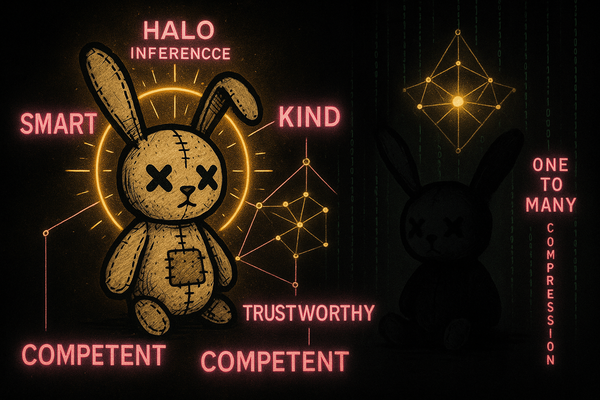
The halo effect makes one positive trait color everything else. Attractiveness creates false intelligence signals — and it's distorting your decisions right now.
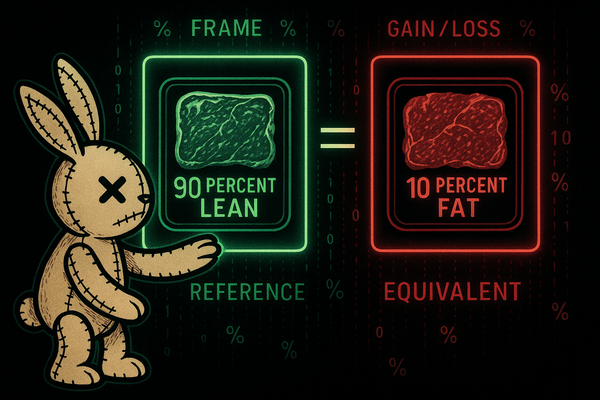
Identical information, opposite decisions. How frames set psychological reference points before conscious thought. Learn to spot manipulative framing in negotiations, medicine, and politics.
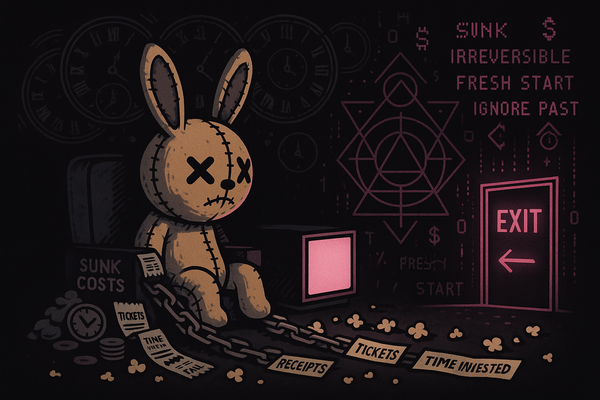
Why do we finish terrible movies? The sunk cost fallacy keeps us trapped in bad jobs, failing relationships, and poor investments. Learn the cognitive science behind quitting smarter.
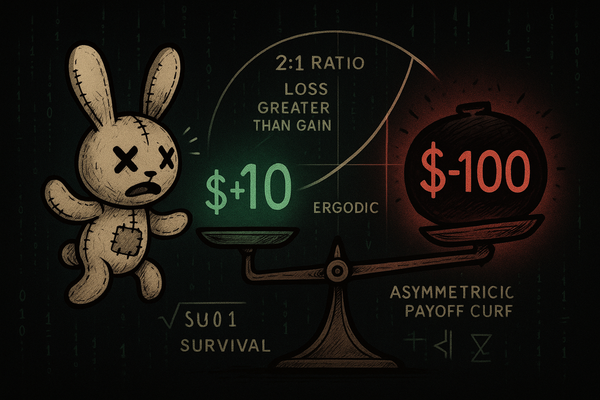
Your brain treats a $100 loss as twice as painful as a $100 gain feels good. Loss aversion kept your ancestors alive — but it might be tanking your decisions today.
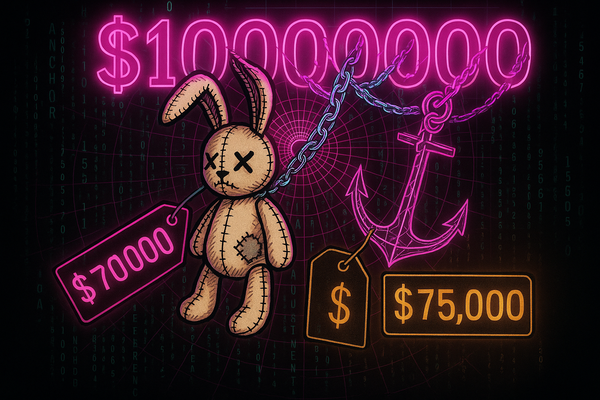
Initial numbers disproportionately shape all subsequent decisions. Learn how anchoring evolved as survival strategy but now functions as exploitable vulnerability in negotiations and commerce.
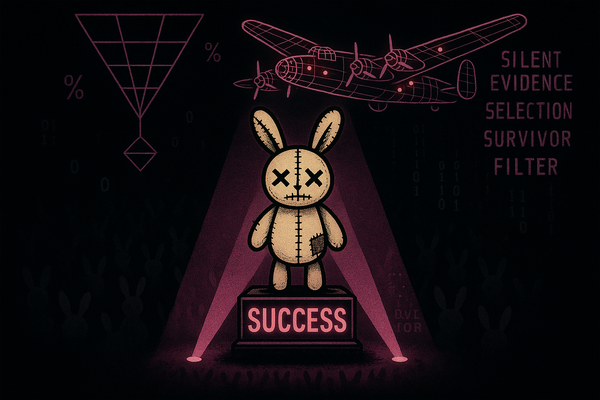
We build flawed mental models because our examples are pre-filtered to include only winners. Abraham Wald's WWII bomber analysis reveals how to spot the invisible data that changes everything.
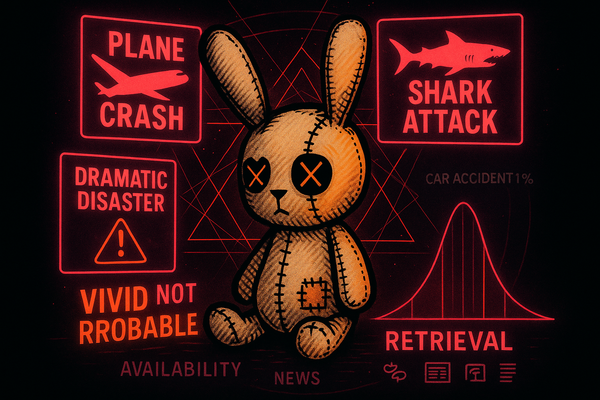
The availability heuristic makes your brain estimate risk by vividness, not frequency. Ask: Is this memorable because it's common, or because it's dramatic? The truly dangerous risks rarely make headlines.
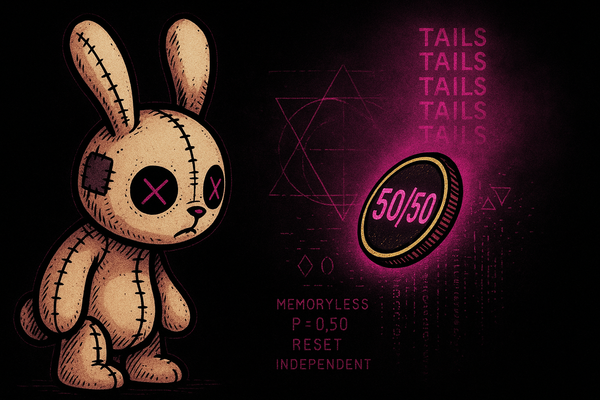
Our evolved pattern-recognition instincts systematically mislead us in memoryless systems. The diagnostic question: Does this system have memory?
Your brain runs software optimized for a world that no longer exists. This series explores twelve cognitive biases—from Gambler's Fallacy to Dunning-Kruger—as context-dependent tools, not irrational flaws.
For regulated nervous systems, loneliness stings. For dysregulated ones, it's existential. The neuroscience of why isolation hits some people like a truck.
Research shows difficulty staying present during sex stems from autonomic dysregulation, not willpower. Your nervous system reads arousal as threat—but you can retrain it.