Why People Have Affairs (Rational but Maladaptive)
The most unsettling thing about affairs isn't that people have them — it's that the logic is usually sound. A need went unmet, an exit felt blocked, and a solution appeared.

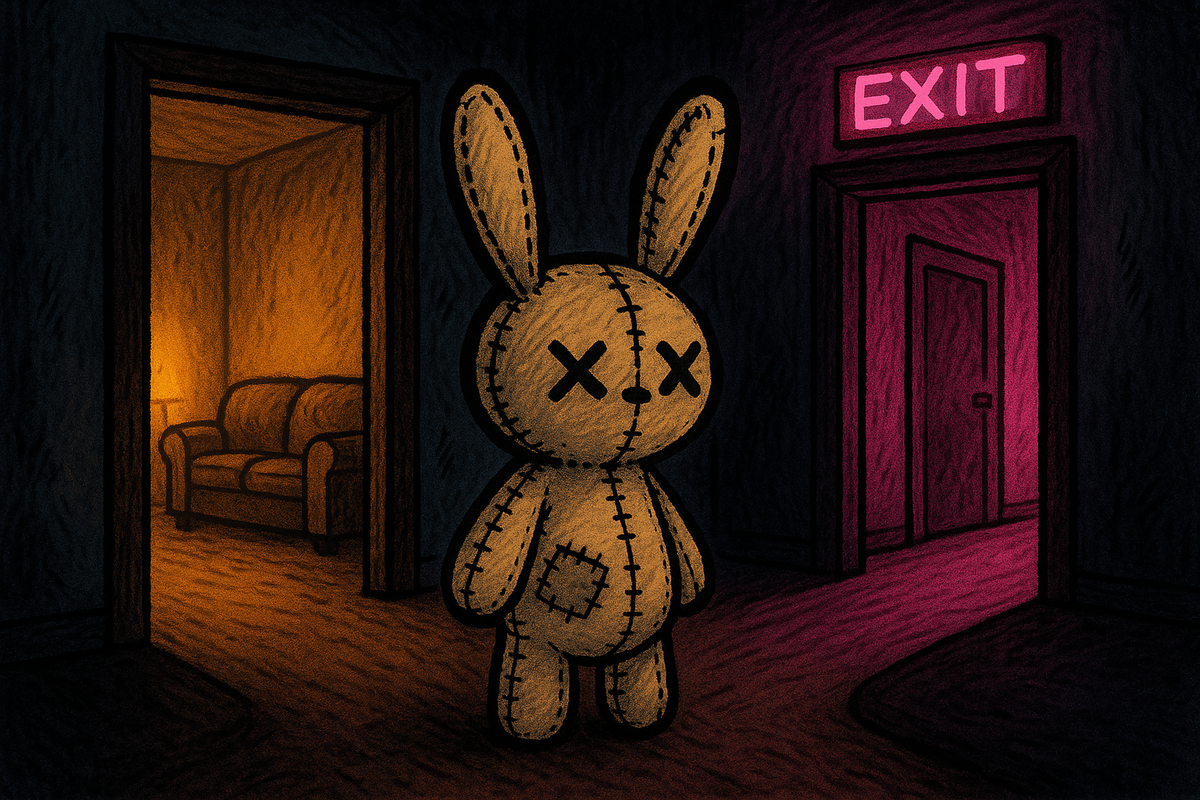
The affair partner gets you at your best—dressed up, present, attentive, unburdened by domestic logistics. Your primary partner gets you at your worst—tired, distracted, resentful. This comparison is rigged, but it doesn't feel rigged.
That's the trap. Affairs are rational solutions to real problems that create worse problems than they solve.
This isn't a defense of affairs. It's a diagnosis. You can't fix what you won't understand. And the standard explanation—"cheaters are selfish people who lack character"—is emotionally satisfying but analytically useless.
The Evolution of Betrayal
Here's what the moralizing misses: affairs exist because they worked.
Evolutionarily, infidelity is a dual strategy. For ancestral men, an affair was a chance to spread genes without the resource commitment of a full partnership. For ancestral women, an affair was insurance—better genes from the affair partner, better resources from the primary partner. This isn't an endorsement. It's an explanation of why the capacity for infidelity is so deeply wired.
Pair bonding evolved for child-rearing. Mate-guarding evolved because pair bonds could be cheated. Jealousy evolved because mate-guarding works better with an emotional alarm system. And the capacity for sneaking around evolved because sometimes circumventing the guard succeeded.
We're running software designed for 50-person bands in 100,000 BCE. The context changed. The wiring didn't.
The Need Deprivation Model
Evolution explains capacity. Circumstances explain activation.
People have affairs when core needs go unmet long enough that the cost-benefit calculation flips. Not complicated needs. Primal ones:
Sexual desire. Frequency, novelty, specific acts, feeling desired. Humans have a novelty drive baked into the reward system. Dopamine fires for new. Same partner, same patterns, year after year—the novelty circuit goes quiet. Someone new lights it up again.
Validation hunger. The need to feel attractive, interesting, worthwhile. Your partner stopped noticing you years ago. Someone new notices. The effect is chemical—literally intoxicating.
Emotional intimacy. Being known, being heard, feeling seen. If your partner can't or won't engage at this level, and someone else does, the pull is enormous.
Escape velocity. Temporary relief from the grinding weight of your actual life. Kids, mortgage, aging parents, career stress. The affair is a portal to a parallel universe where none of that exists.
When these needs go unmet long enough, and opportunity presents itself, the affair becomes a rational solution to an unbearable problem.
Rational doesn't mean wise. It means the logic tracks, even when the outcomes are catastrophic.
The Attachment Layer
Your attachment style shapes how you affair.
Anxious attachment has affairs seeking validation. The primary partner's reassurance stopped working—it never feels like enough, or it stopped coming. The affair partner provides fresh evidence of desirability. The anxious person isn't looking to leave. They're looking to feel wanted badly enough that the anxiety quiets.
Avoidant attachment has affairs seeking escape. The primary relationship feels suffocating even if objectively it isn't. The affair creates space, distance, a secret self that belongs to no one. Avoidants also use affairs to self-sabotage—they can't tolerate the intimacy so they blow it up. Problem solved.
Secure attachment rarely has affairs. When they do, it's usually after extended periods of genuine deprivation combined with failed attempts to communicate. The secure person tried to fix it, couldn't, and eventually found someone else. These affairs often lead to leaving because the secure person knows this isn't sustainable.
Disorganized attachment has affairs chaotically. The primary relationship is simultaneously too close and too distant. The affair provides intensity that feels like connection while creating chaos that confirms their belief that relationships are unsafe. Self-fulfilling prophecy in action.
The Exit, Voice, Loyalty Pipeline
Affairs don't come from nowhere. There's usually a sequence:
Voice first. Trying to communicate the problem. Asking for change. This requires vulnerability and the belief that your partner can respond. Many people give up on voice long before the affair—either they never learned how, or they tried and got nothing.
Loyalty next. Staying and suffering silently. Absorbing the unmet needs. Telling yourself this is just how marriage is. Martyrdom as coping strategy.
Neglect follows. Checking out emotionally while staying physically present. Stopping investment. Letting the relationship atrophy while waiting for something to change.
Exit finally. But exit is expensive—assets split, kids disrupted, social networks fractured. So instead of clean exit, people take a detour: the affair. All the emotional exit, none of the logistical consequences.
Until they get caught.
The Maladaptive Part
Affairs are rational in the short term and catastrophic in the long term. The logic breaks down on examination:
Discovery is likely. Affairs get found out. Not always, but often enough that assuming permanent secrecy is delusional. Burner phones get discovered. Suspicious gaps get investigated. Someone talks. And discovery doesn't just end the affair—it often destroys both relationships plus collateral damage to everyone who trusted you.
The statistics: most affairs are eventually discovered. The timeline varies—some within weeks, some after years—but secrecy is harder to maintain than people imagine. Digital trails are extensive. Pattern changes are noticeable. Affair partners have their own motivations that might include exposing the situation.
When discovery happens, the damage is comprehensive: the primary partner's trust is destroyed, the affair partner feels used or lied to, children (if present) lose faith in the cheating parent's integrity, extended family takes sides, friend groups fracture, professional reputation can suffer if workplace affairs are involved.
The betrayed partner doesn't just lose the relationship they thought they had—they lose their entire history with you. Every memory gets recontaminated: "Were you cheating then too? Was any of it real?" The affair doesn't just damage the present and future. It retroactively destroys the past.
The comparison is rigged. Your affair partner sees you showered, dressed up, fully present. Your spouse sees you exhausted, irritable, distracted by kids' homework. Of course the affair feels better. You're comparing your spouse's worst to your affair partner's best. This isn't information—it's noise.
The affair operates in a protected space: no domestic logistics, no financial stress, no parenting disagreements, no in-law complications. It's pure escape. You're experiencing what your primary relationship would feel like if it had none of life's ordinary friction.
The comparison isn't spouse versus affair partner. It's relationship-with-all-of-life's-weight versus relationship-with-none-of-it. If you swapped the roles—affair partner dealing with your mortgage stress and sick kid while spouse got the sexy hotel dates—the dynamics would reverse.
People leave primary partners for affair partners convinced they've found their soulmate, then discover that once the affair partner becomes the primary partner, all the ordinary relationship problems return. The magic wasn't the person. It was the context.
The affair treats symptoms. Whatever need was unmet in the primary relationship will eventually go unmet with the affair partner too. Novelty fades. Validation needs return. The affair solves nothing structurally—it just provides temporary relief while the underlying problem continues to grow.
If the core issue is that you're avoidant and any intimacy eventually feels suffocating, the affair partner will eventually trigger the same response. If the core issue is that you're anxiously attached and no amount of reassurance ever feels sufficient, the affair partner's validation will stop working too.
If the issue is dead bedroom in the primary relationship, the affair provides sexual outlet—but doesn't address why the bedroom died. If it's because you both stopped trying, you'll stop trying with the affair partner eventually too. If it's because of unresolved resentment, that pattern will repeat in new relationships.
The affair is medication for symptoms, not treatment for disease. It works until it doesn't.
The deception eats you. Maintaining the lie requires constant cognitive overhead. Separate phones, covered tracks, manufactured alibis, memory for which lies you've told. The metabolic cost is enormous. You're not just having an affair. You're running an intelligence operation.
The cognitive load is measurable: tracking two different stories, remembering which version you told which person, monitoring digital trails, managing scheduling conflicts, maintaining fake explanations for absences. This takes executive function constantly.
The emotional load is worse: guilt that surfaces at unexpected moments, fear of discovery, the growing gap between who you claim to be and who you actually are. The person you're becoming—liar, deceiver, someone who betrays people who trust them—often conflicts with your self-concept.
Some people manage this indefinitely. Most find it corrosive. The self-concept damage accumulates. You start thinking of yourself as the person who's capable of this level of deception, and that changes how you relate to everyone, not just the people you're lying to.
The affair might start as escape from an unhappy situation. It often ends with you unhappy in multiple situations while also hating who you've become.
The Systems Frame
Affairs aren't individual moral failures. They're system failures.
The system includes: your attachment style, your partner's attachment style, the relationship you've built together, the communication patterns you've established, the needs you've expressed or suppressed, the capacity each of you has to meet each other's needs, and the opportunities that present themselves.
Change any of these variables and the outcome changes.
This isn't absolution. You made a choice. But the choice emerged from a system under pressure. Pretending it was random evil prevents the diagnosis you need. Understanding the system is the only path to not repeating the pattern.
The Actual Questions
If you're considering an affair: Which needs are unmet? Have you actually used voice—not hinted, actually spoken? Does your partner have the capacity to meet these needs, or are you asking for something they can't provide? Is this about supplementing your relationship or escaping it? What would happen if you put this energy into fixing what's broken?
The hard self-examination version: Have you said the actual words? Not "I wish we had more sex" but "Our sexual frequency is making me miserable and I need that to change." Not "You never pay attention to me" but "I feel emotionally neglected and I need more focused time together."
Most people skip straight to the affair without ever having the direct conversation. They drop hints. They make passive-aggressive comments. They withdraw and hope their partner notices. None of this is "voice." Voice is explicit, specific, vulnerable, and direct.
After you've used voice: did your partner respond? Did they try to change? Did they dismiss you? Do they have the capacity to provide what you're asking, or are you asking for something they fundamentally can't give?
If you asked clearly and they tried but can't deliver—sexual incompatibility, fundamental personality differences, needs that conflict with their wiring—that's information. The relationship might not be fixable. But then the honest path is leaving, not cheating.
If you haven't asked clearly, the affair is you choosing deception over vulnerability. You're avoiding the risk of rejection by going around your partner instead of to them. This is understandable—vulnerability is terrifying. It's also cowardice dressed up as need fulfillment.
If you've been cheated on: Which needs went unmet? Did they try to tell you? Did you hear it? Was there something you couldn't or wouldn't provide? Is the relationship fixable, or did this reveal an incompatibility that was always there?
The painful examination version: Were there signs you ignored? Did they try to tell you and you dismissed it? Did they ask for something you refused because you didn't think it mattered or didn't want to change?
This isn't about blaming yourself for being cheated on. Their choice to cheat is on them. But understanding what needs were unmet helps you understand what happened. Some of those needs might be legitimate—you stopped prioritizing intimacy, you were emotionally absent, you took them for granted.
Some of those needs might be unreasonable—they wanted you to stay twenty-five forever, they expected you to meet all their needs while they met none of yours, they have an attachment style that makes them seek novelty regardless of how good the relationship is.
The distinction matters for what you do next: Is this repairable if both of you change? Is this revealing fundamental incompatibility? Is this about their broken pattern that will repeat with whoever they're with?
If they had unmet needs they never communicated, tried to address through an affair, and you want to stay together—couples therapy might work. If they had needs they clearly communicated, you couldn't or wouldn't meet, and the incompatibility is real—leaving might be healthier than trying to force it.
If they have a pattern of cheating across multiple relationships regardless of circumstances—you're dealing with someone whose attachment or impulse control makes them unsuitable for monogamy, and staying means accepting this will happen again.
Affairs cause real damage to real people. But treating them as inexplicable evil prevents the only thing that helps: understanding why they happen, so they don't happen again.
The systems view isn't absolution. It's diagnostic clarity. You can hold someone accountable for their choices while also understanding the conditions that made those choices more likely. Both things are true.